












What this booking actually is
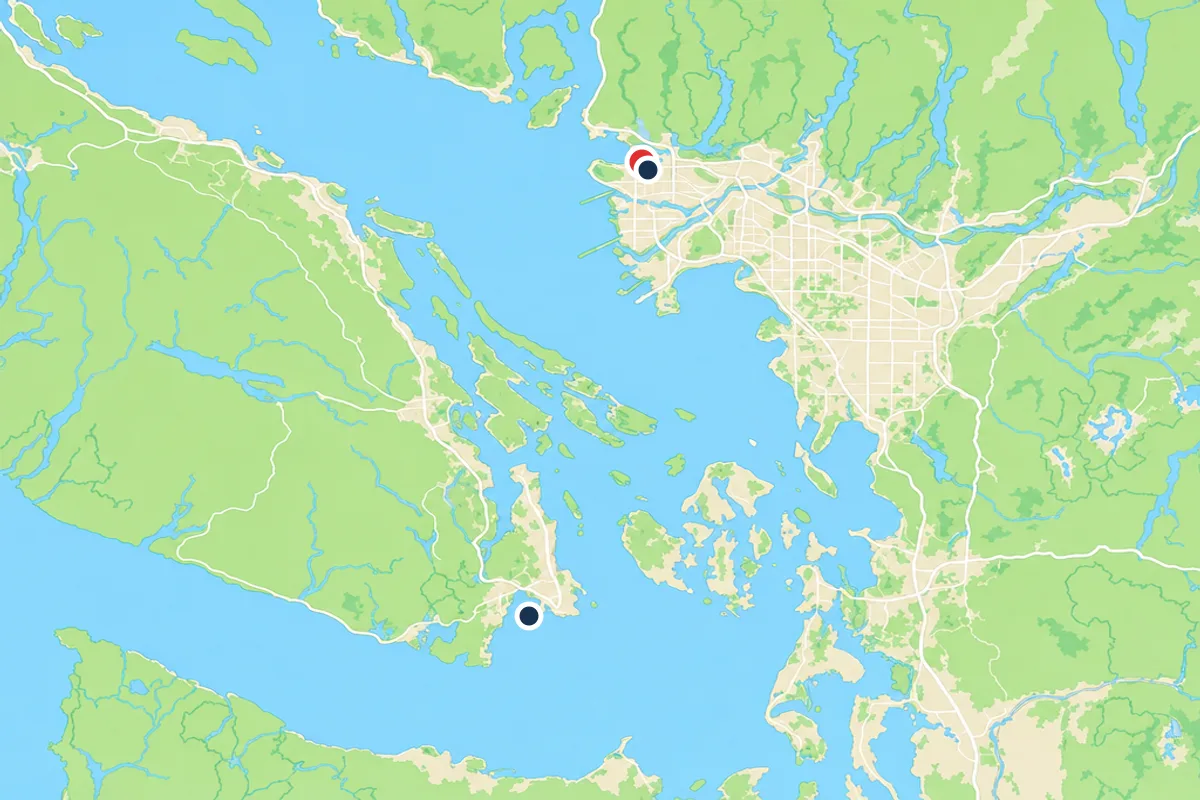
Two journeys in one arrangement, deliberately mismatched. You fly from Vancouver to Victoria on a scheduled Harbour Air seaplane, which takes thirty-five minutes and leaves from a dock in the middle of downtown. You spend the middle of the day in Victoria. Then you come home overland: a coach out of the city, a BC Ferries crossing, and a second coach into Vancouver.
Every ticket is in the one booking. The flight, the coach at both ends of the ferry and the ferry itself, plus taxes. What you are not buying is a guided tour: nobody accompanies you around Victoria and there is no commentary, which for most people visiting a walkable harbour city is the right arrangement.
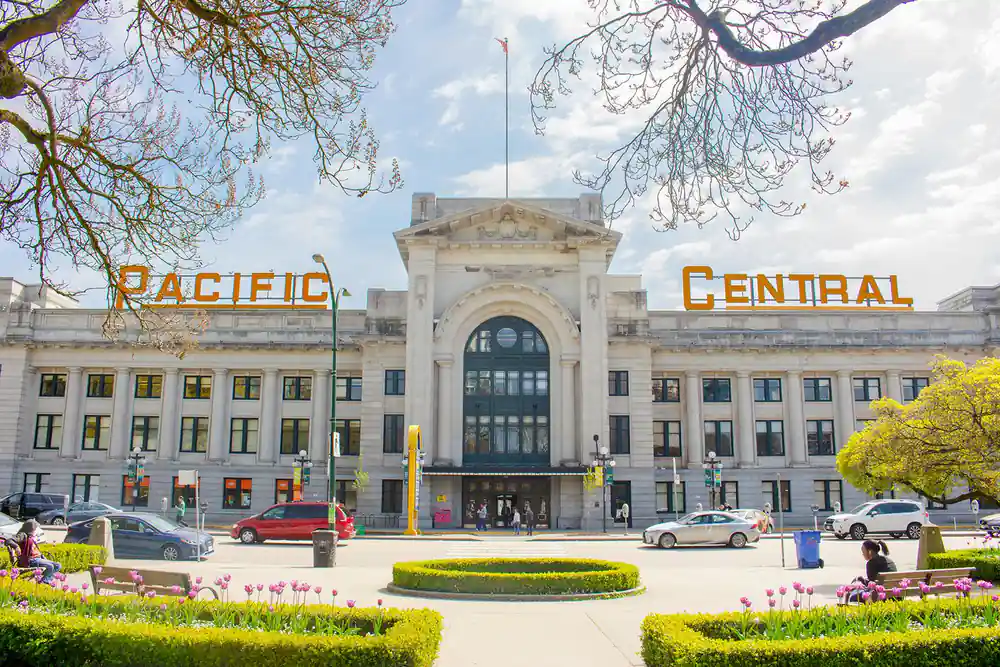
The return finishes at Pacific Central Station rather than at Canada Place where you started. That is a genuine detail to plan around and it is easy to miss, because most day trips return you to your doorstep.
Why a seaplane rather than a plane
The advantage is not speed in the air, it is the absence of everything around it. A conventional flight between these two cities means getting to Vancouver International, checking in, clearing security, boarding, flying, and then travelling from Victoria's airport into the city. The flying is the short part.
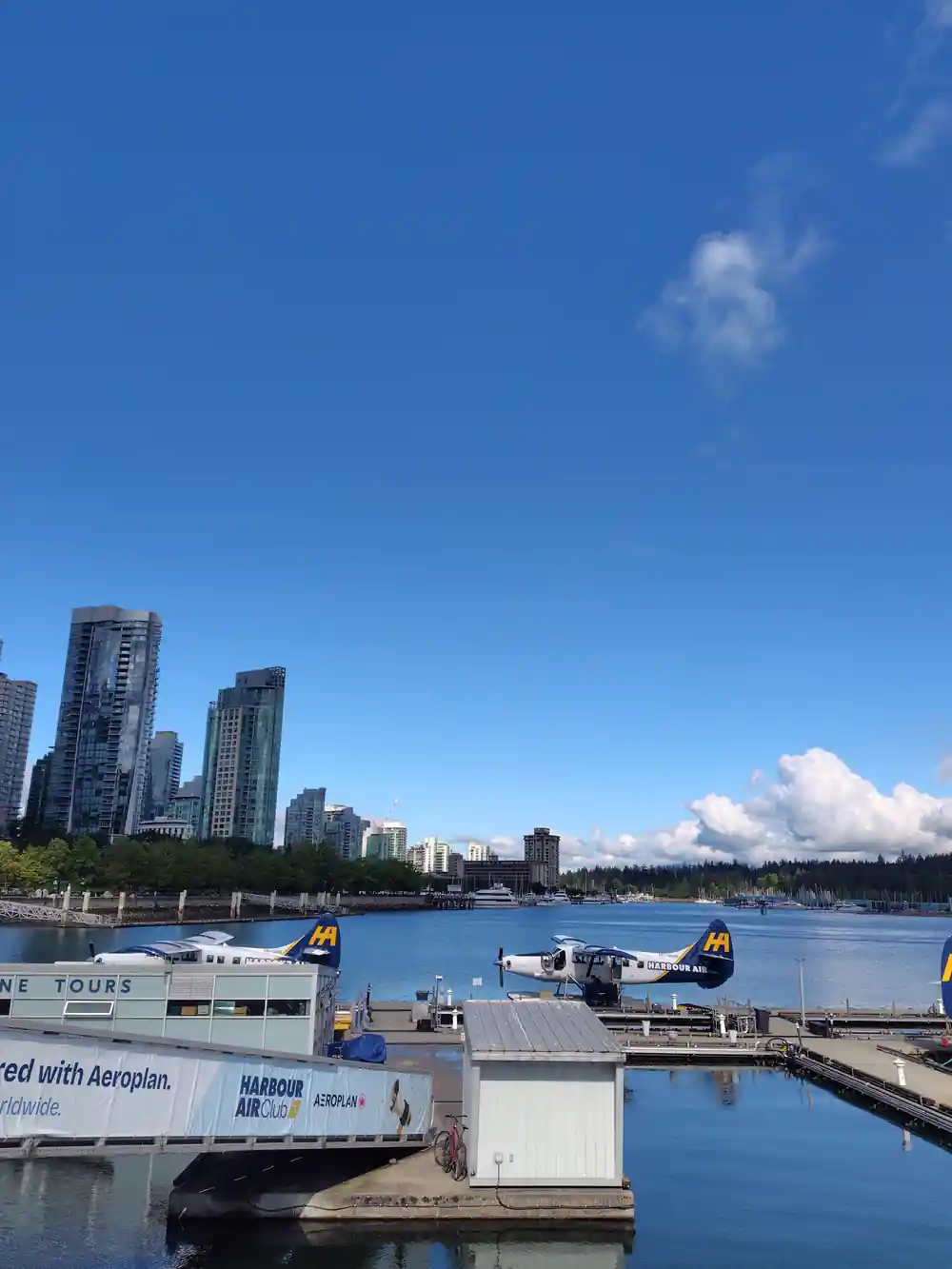
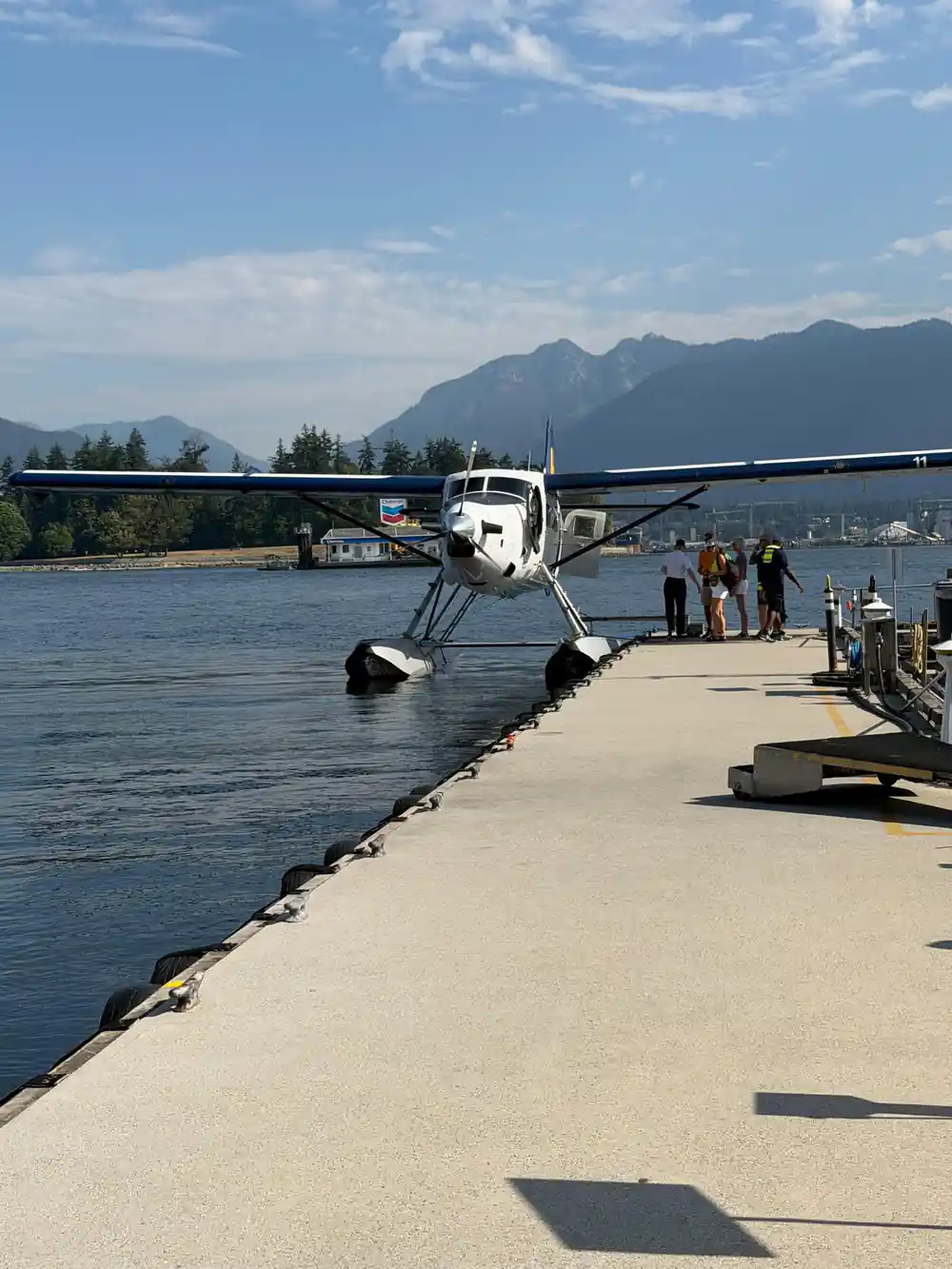
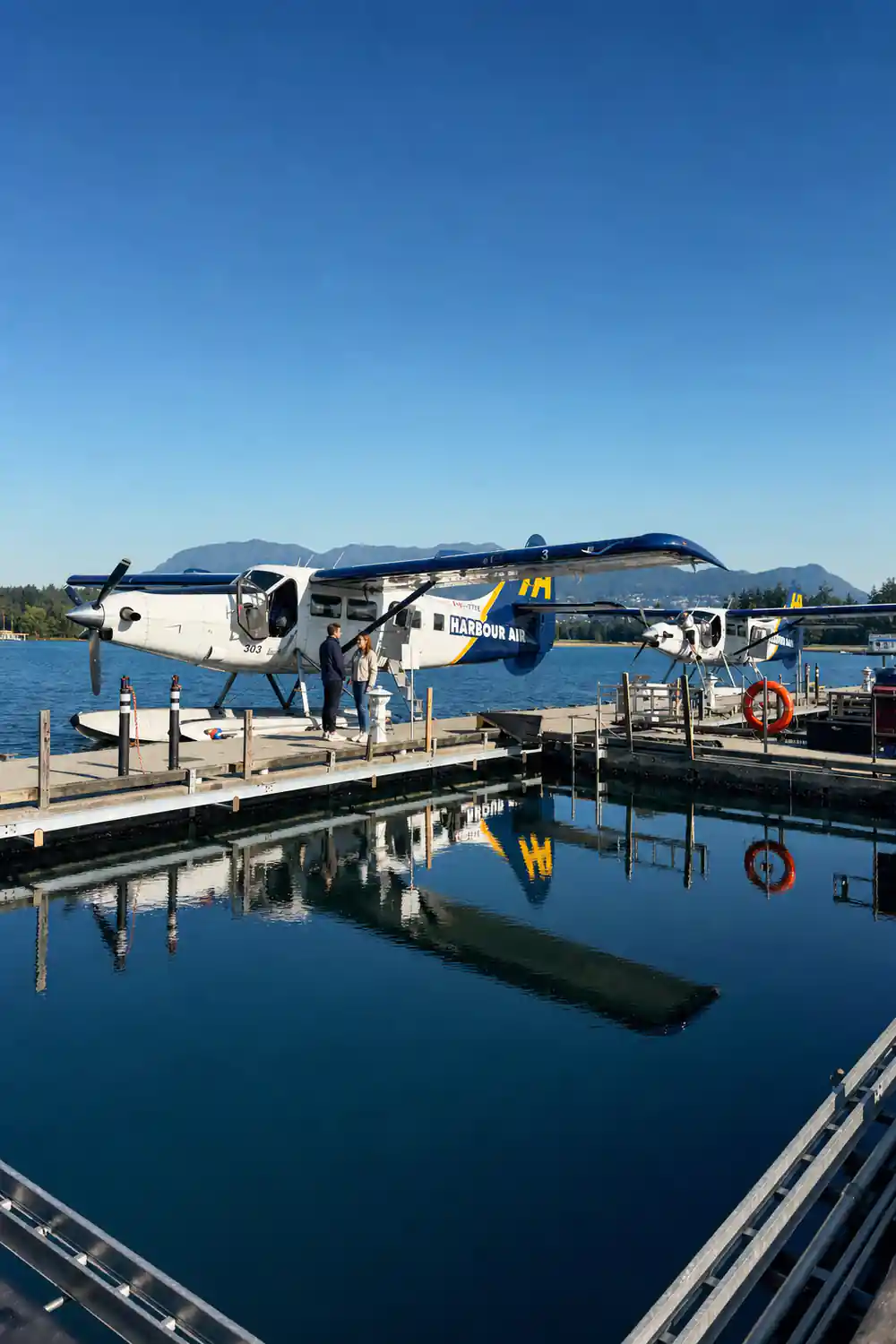
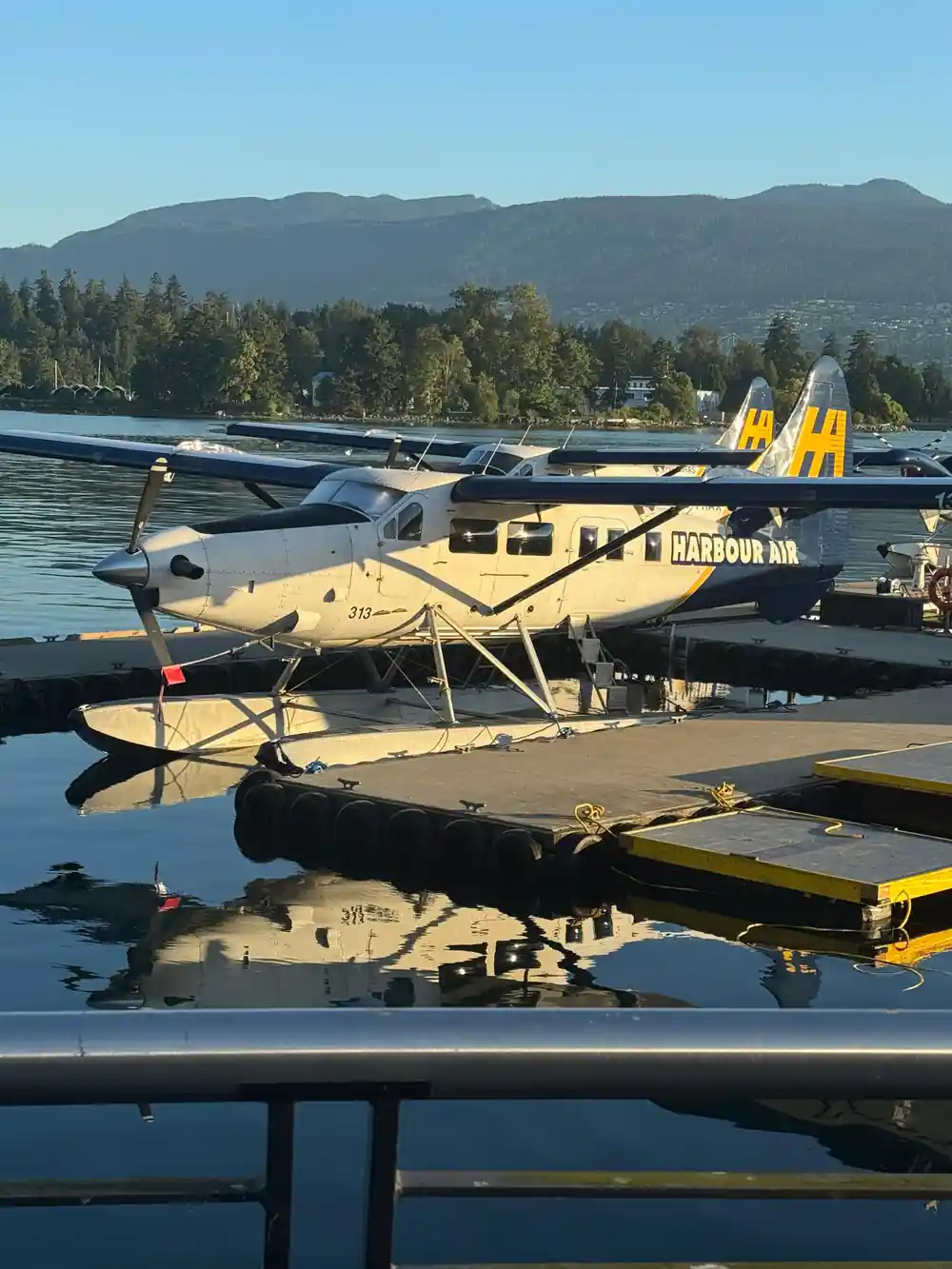
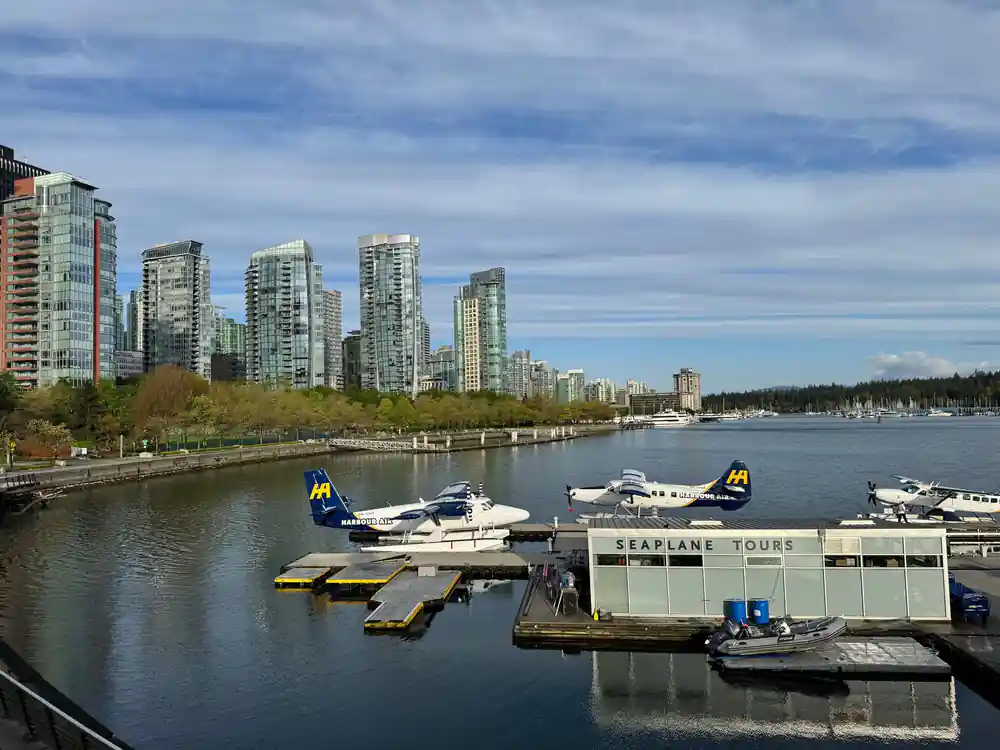
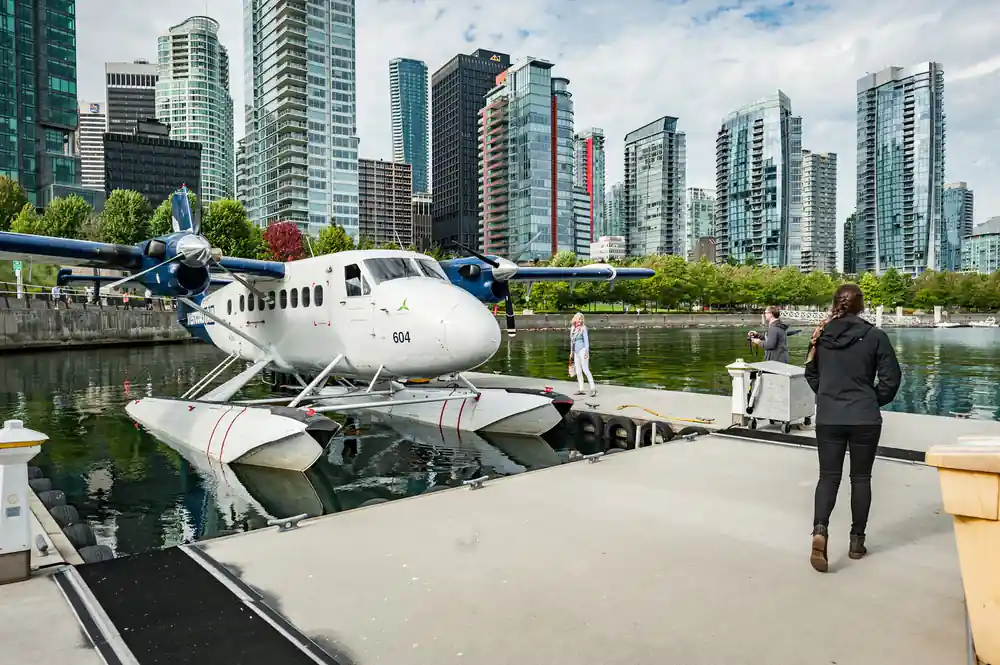
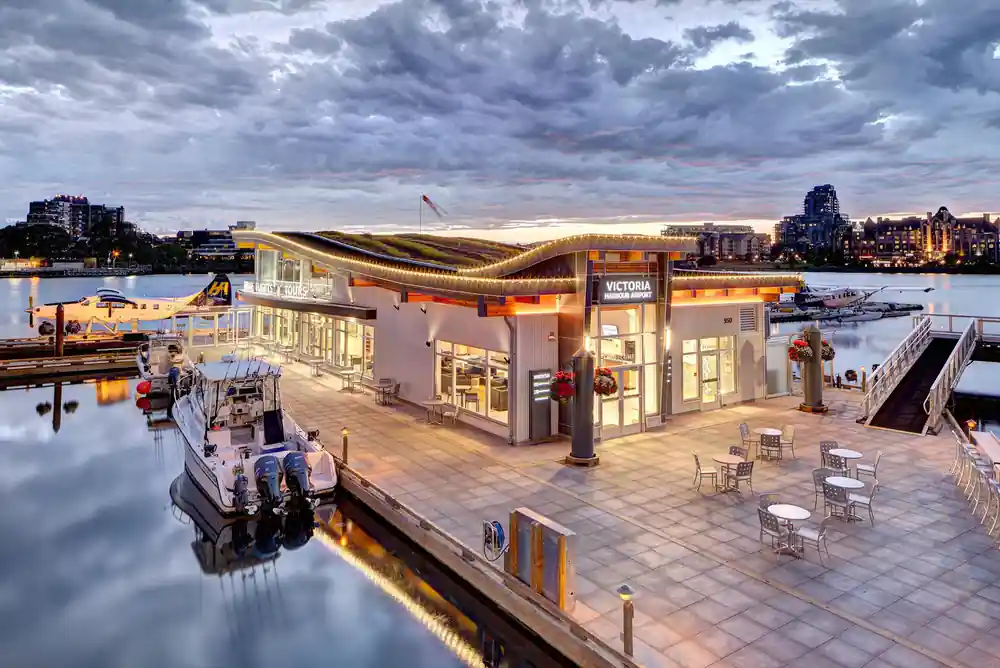
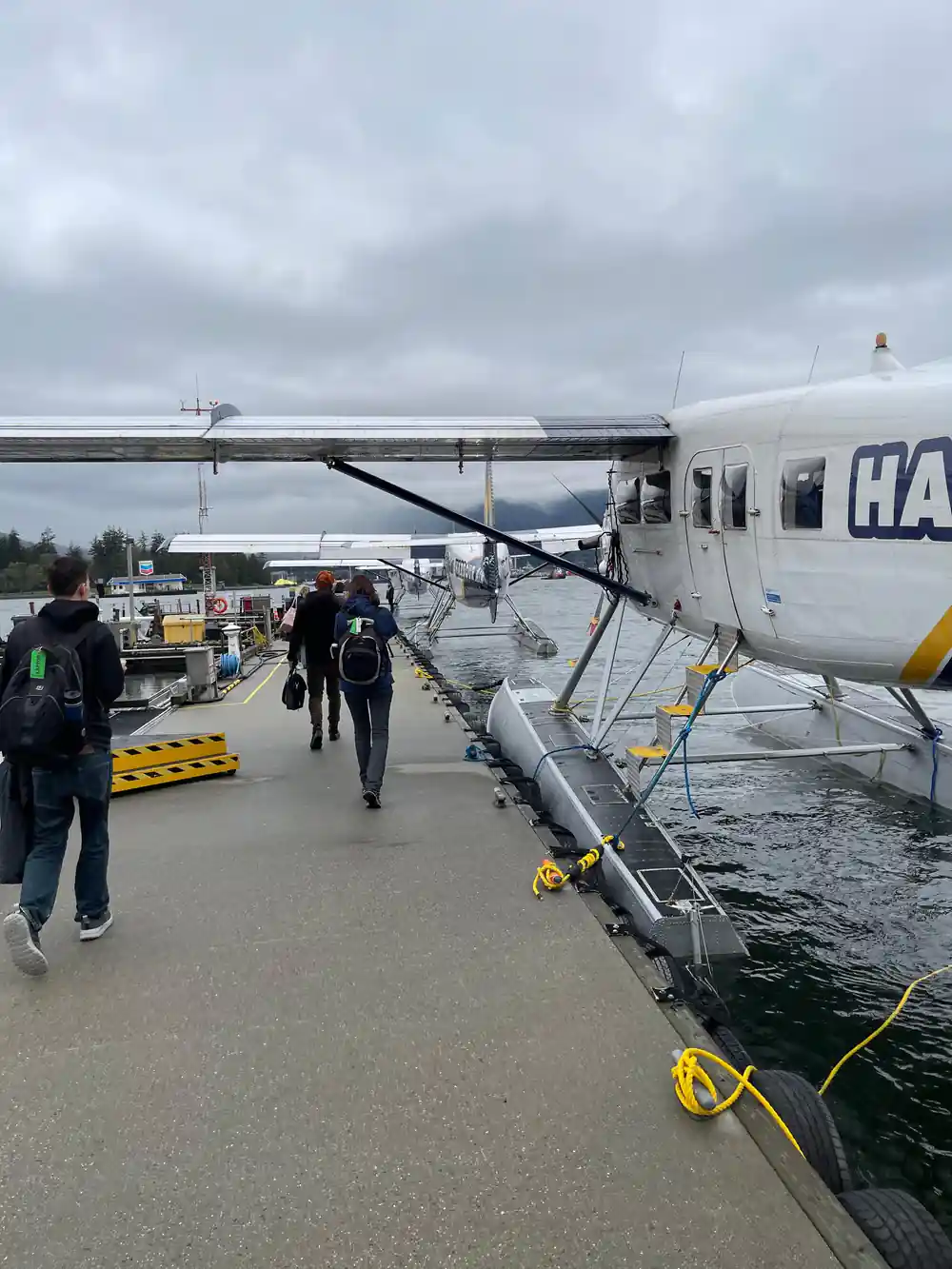
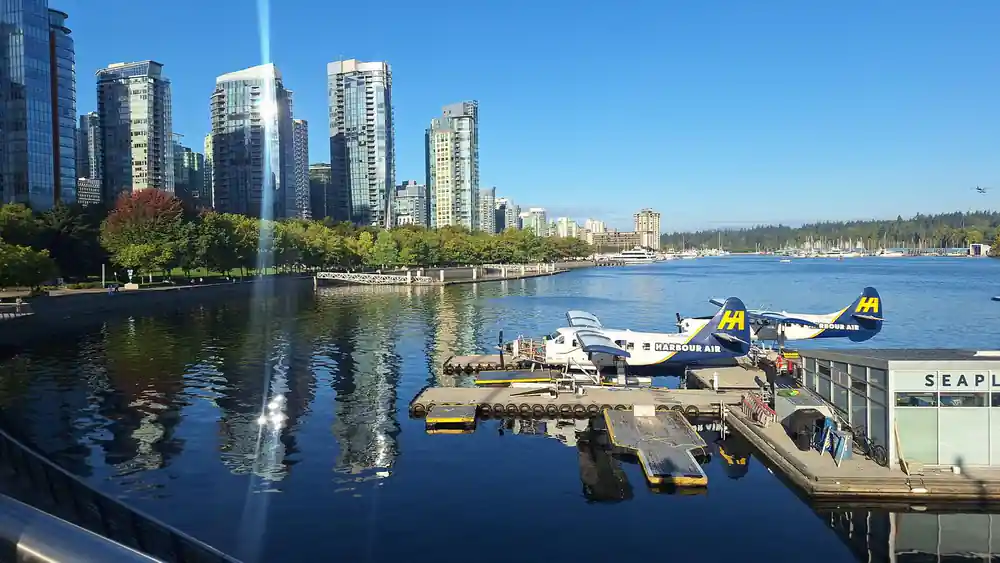
A harbour-to-harbour seaplane deletes all of that. The terminal is at 1055 Canada Place, at water level by the sea wall below the Olympic Cauldron, a walk from most of downtown Vancouver. You check in at a counter forty minutes before departure, walk down to the dock, and get in.
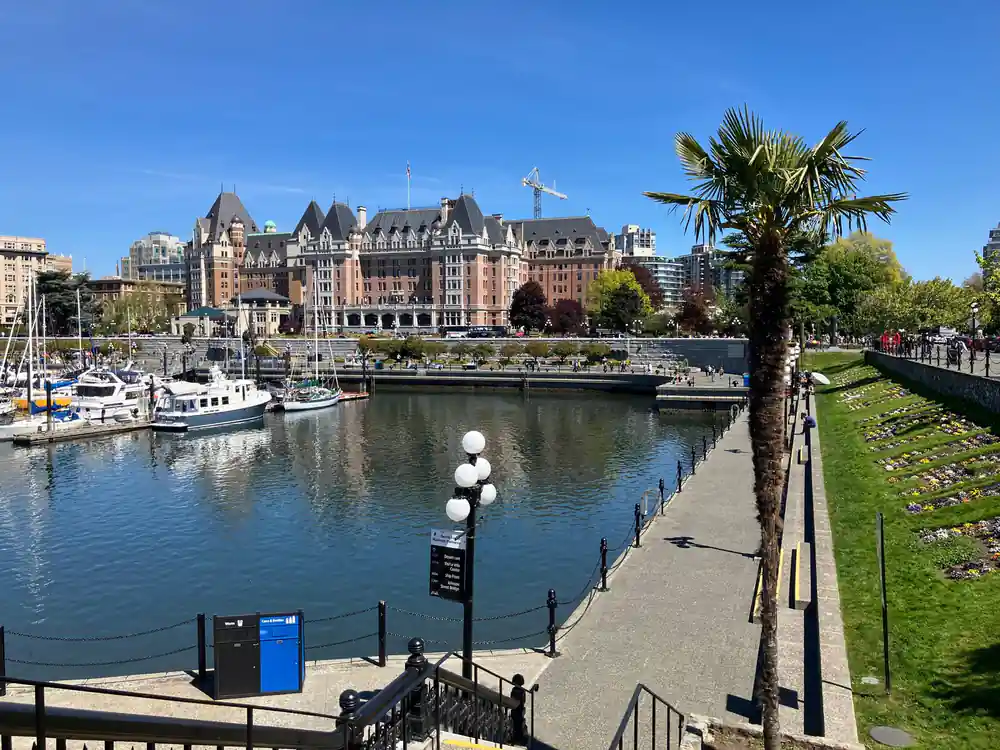
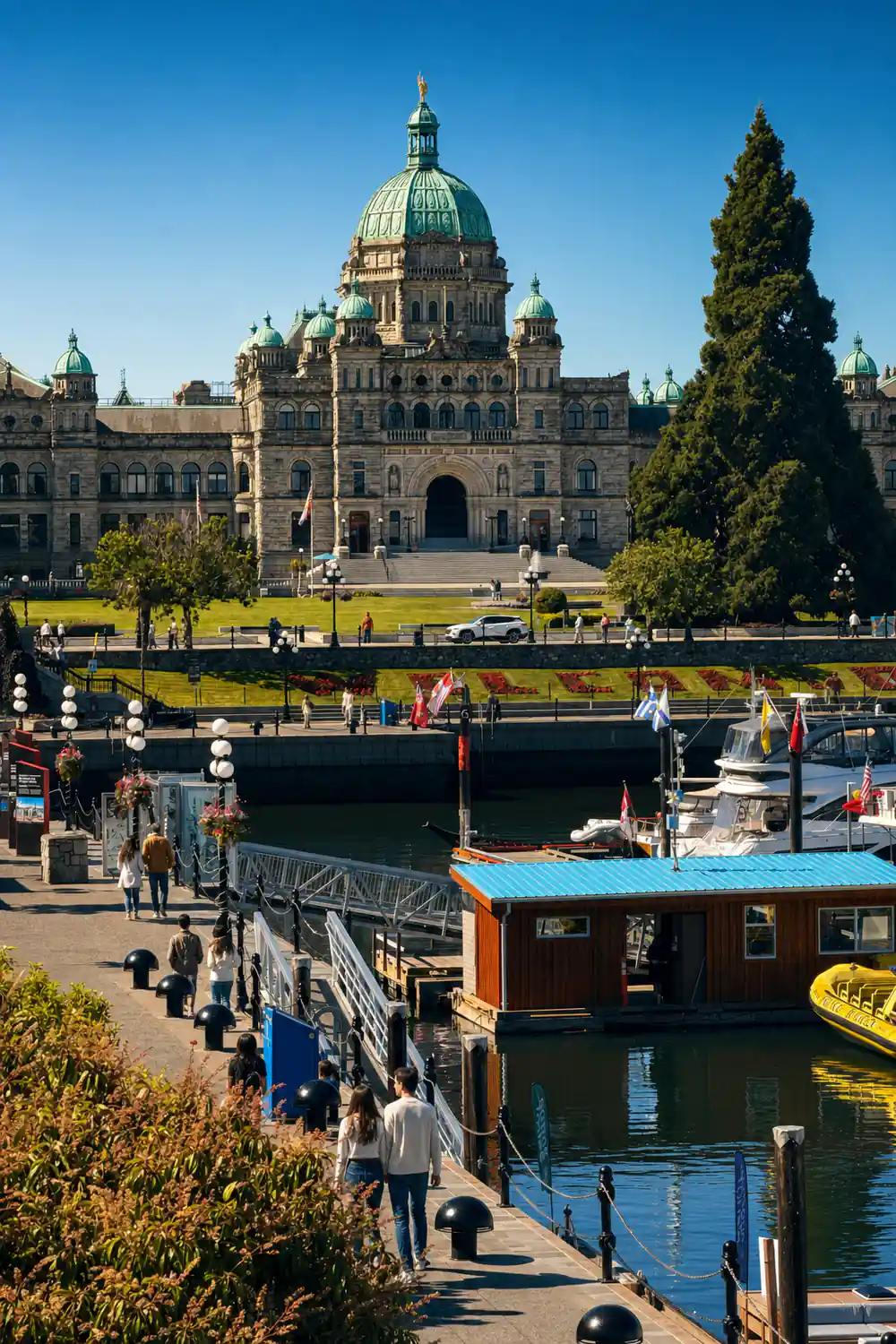
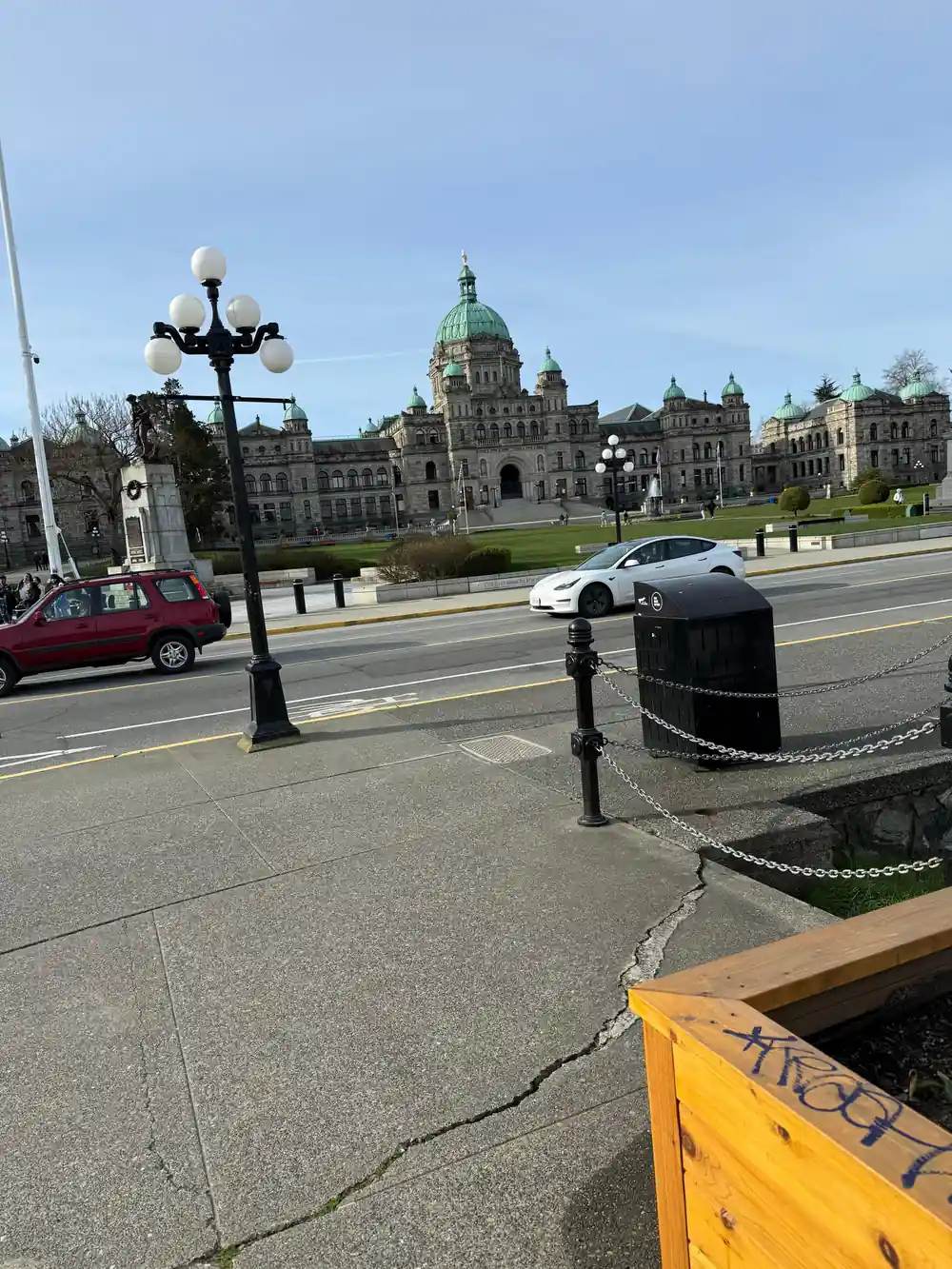
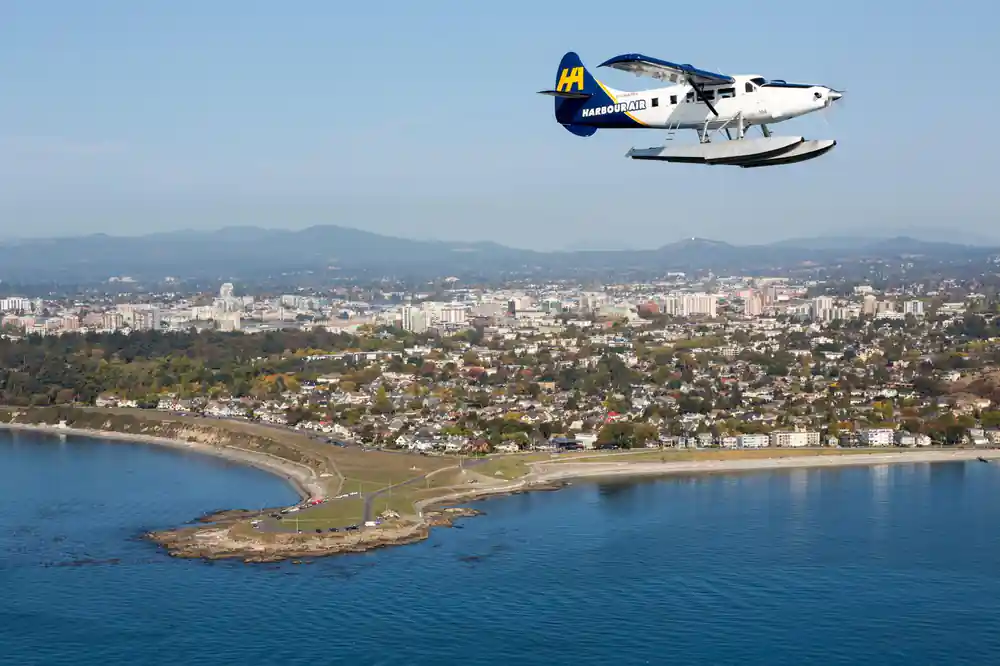
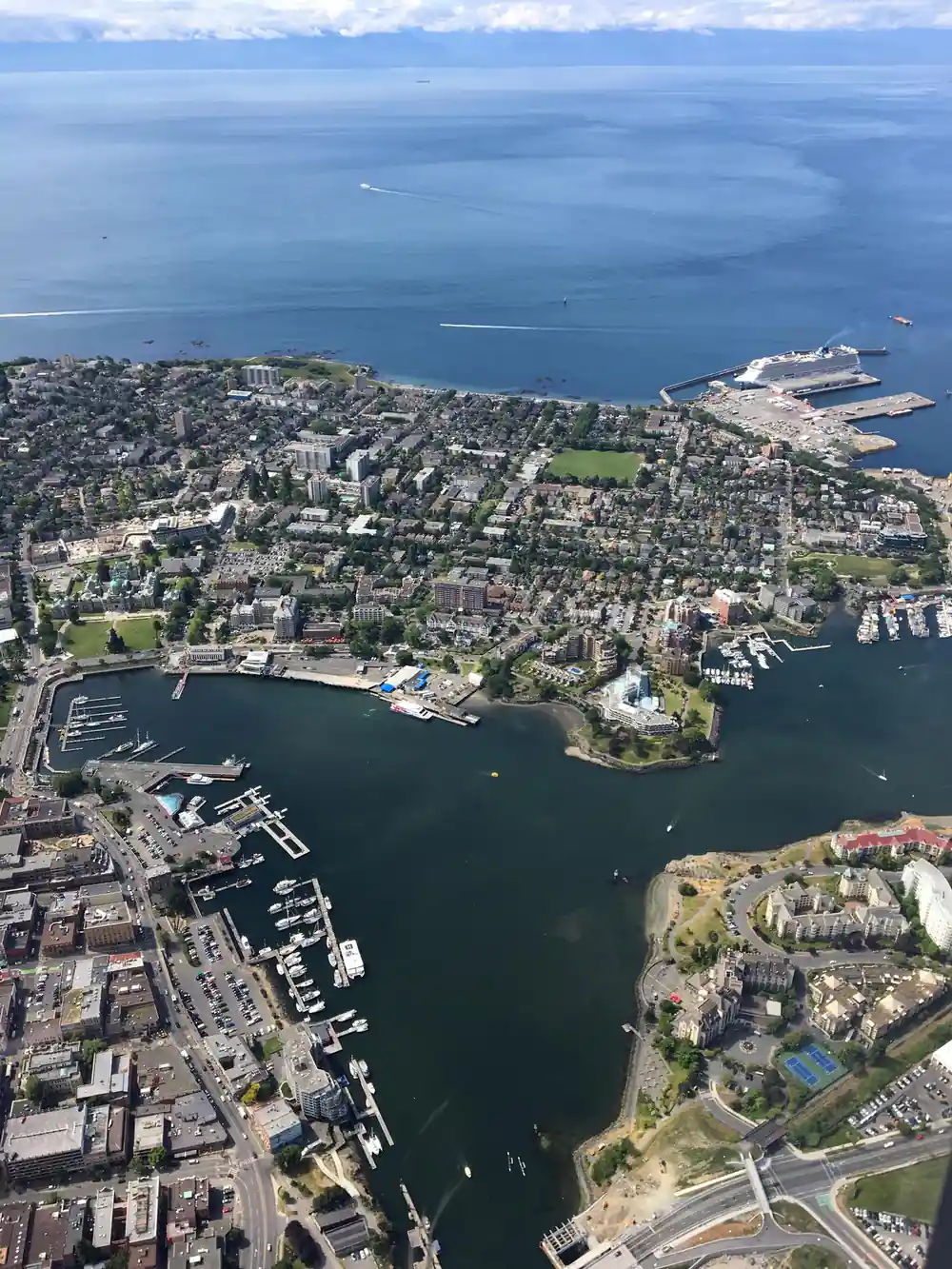
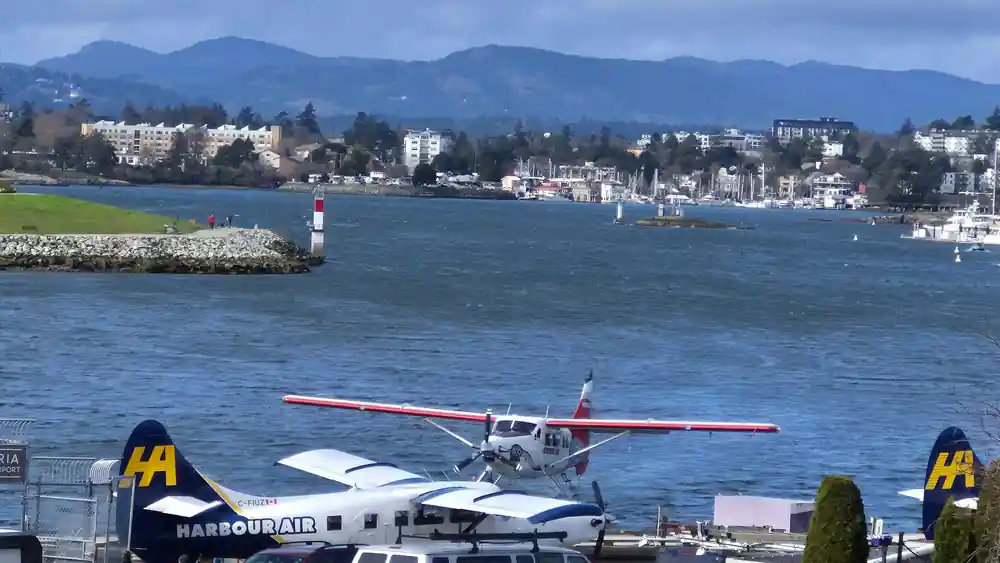
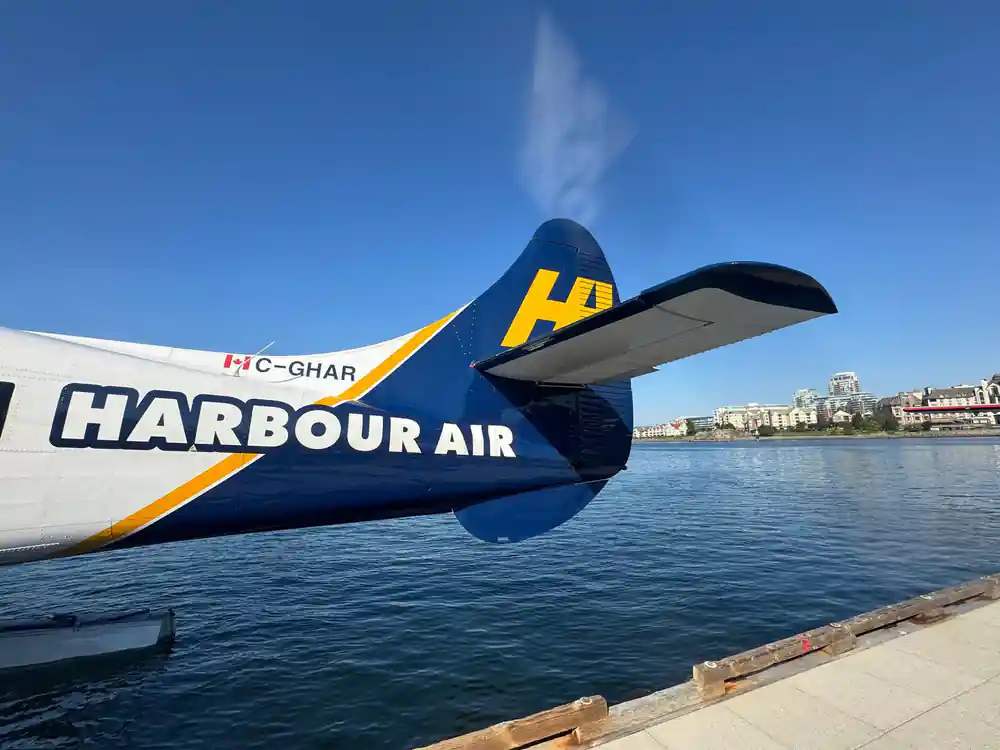
At the other end you land in Victoria's Inner Harbour, which is not near the city, it is the city. The Parliament Buildings are on the waterfront in front of you. There is no transfer at either end, and that is where the time actually goes.
The flight itself
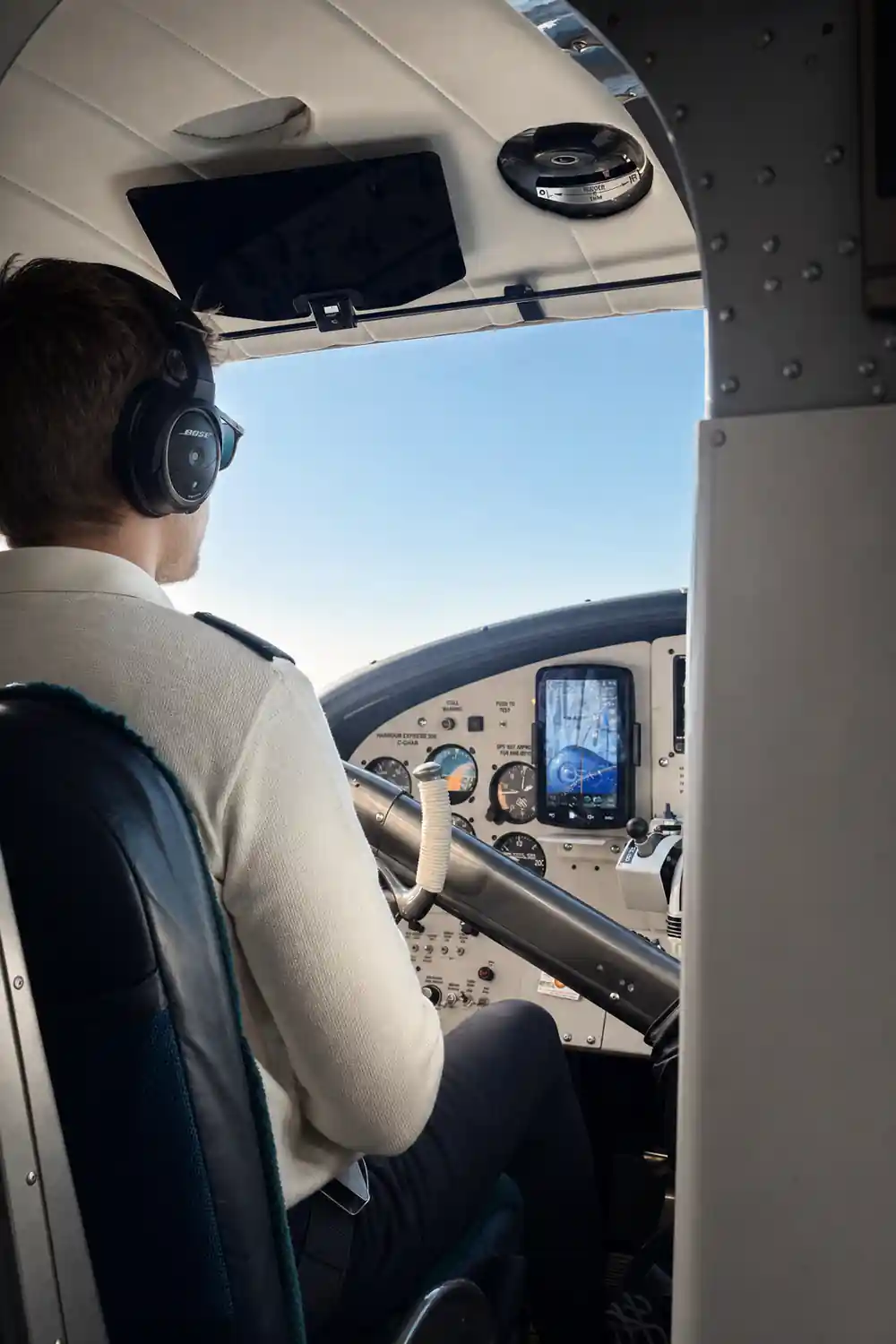
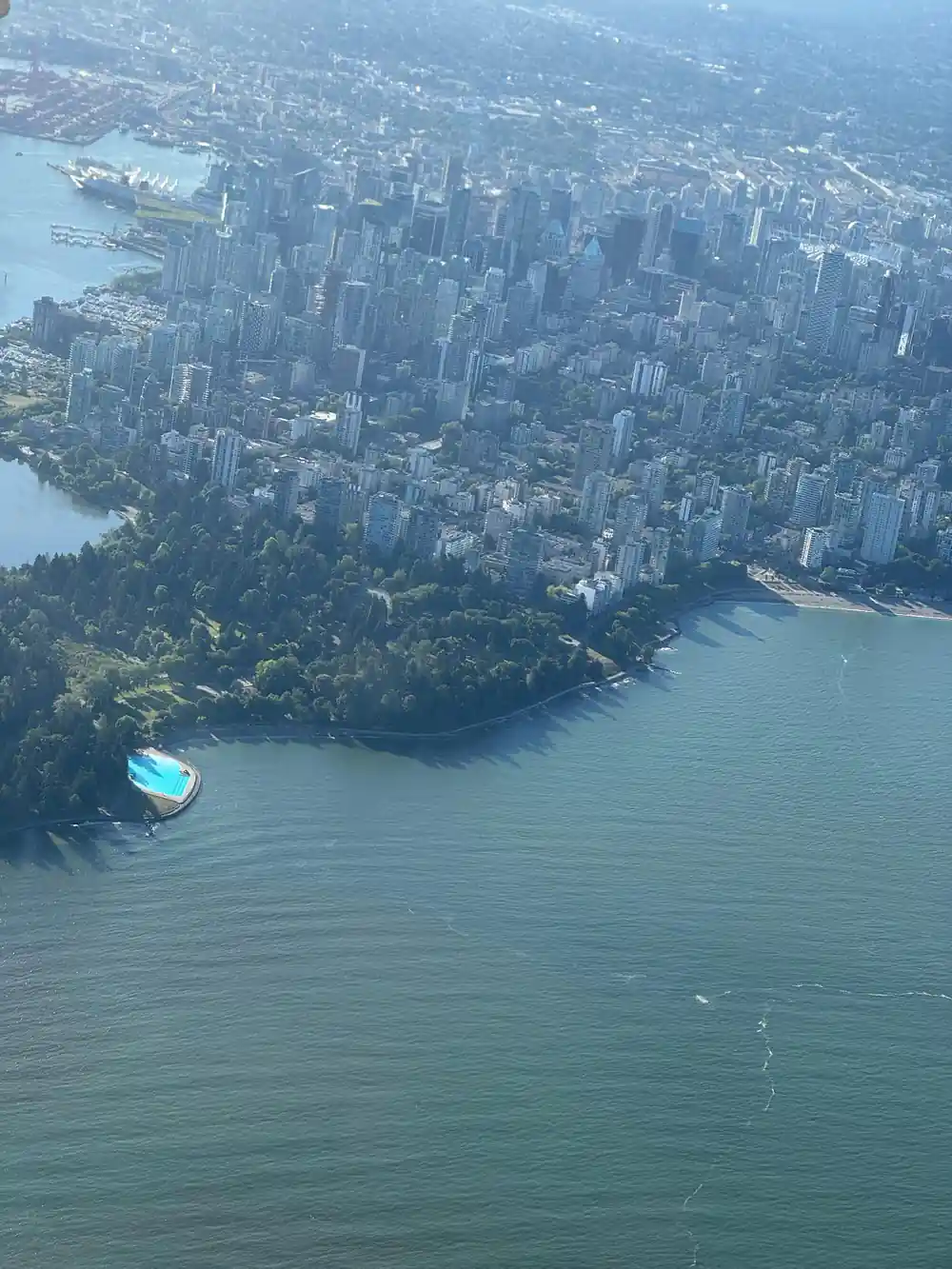
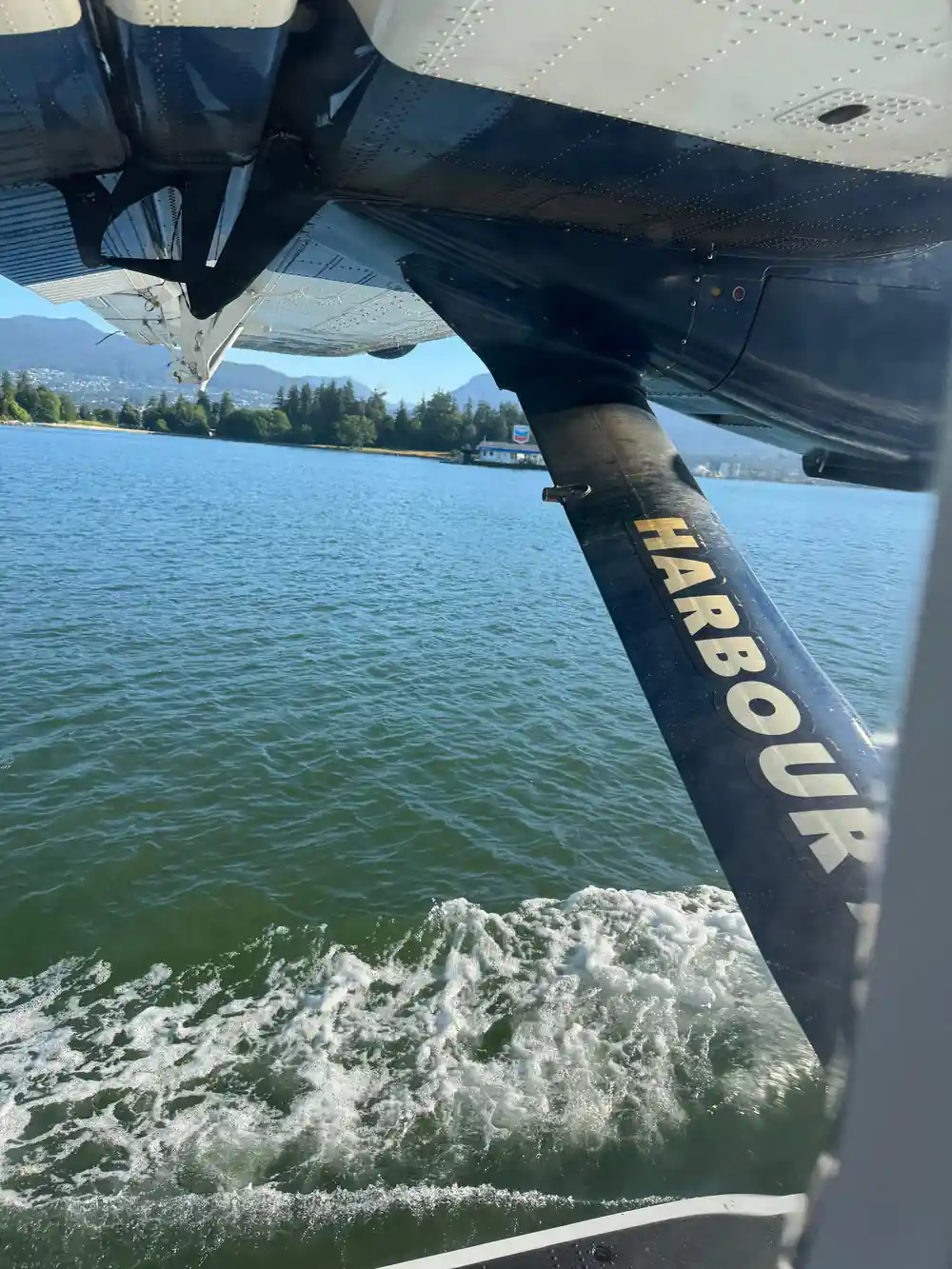
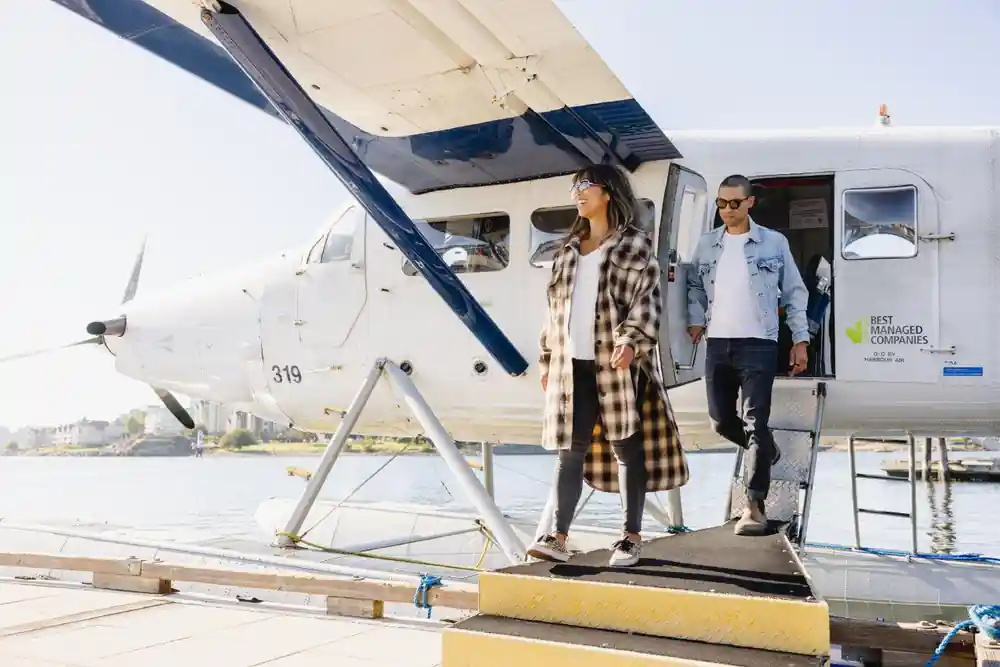
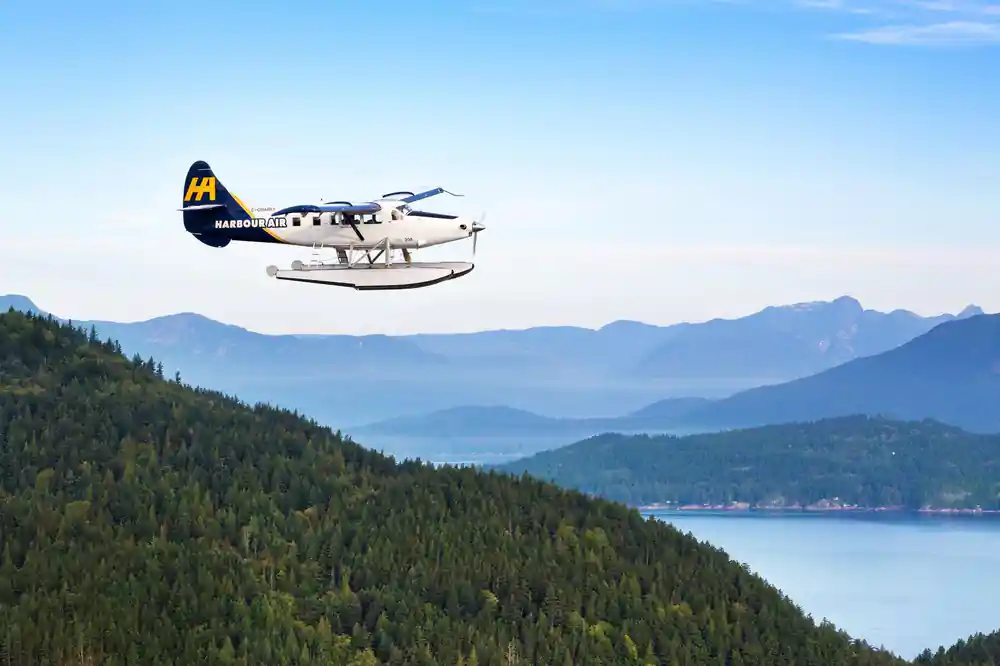
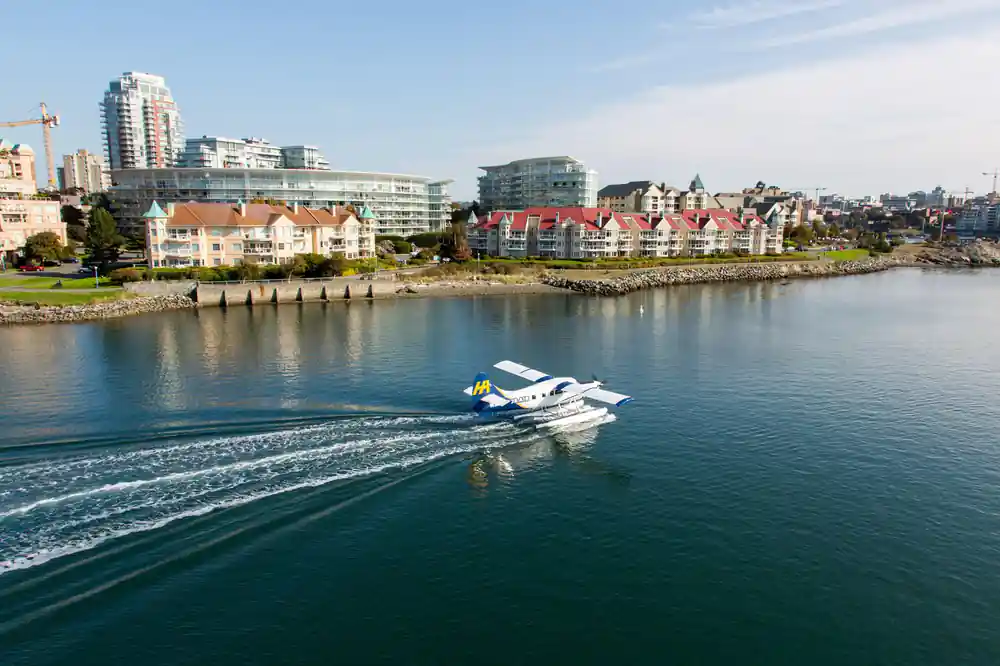
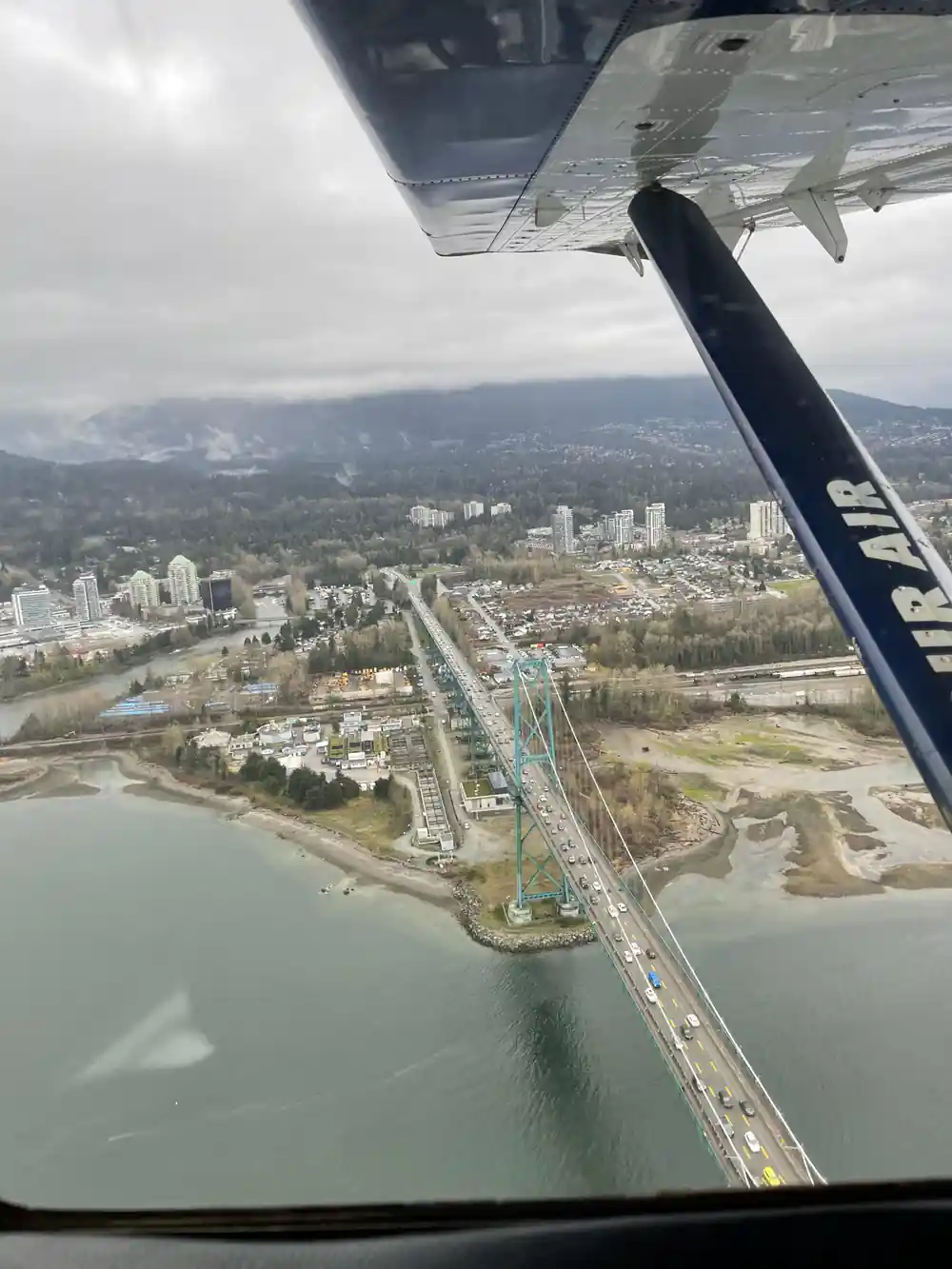
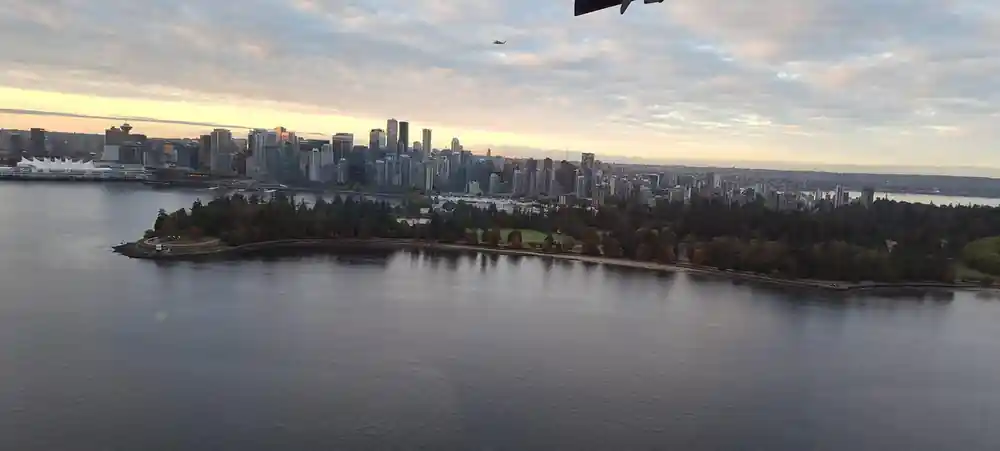
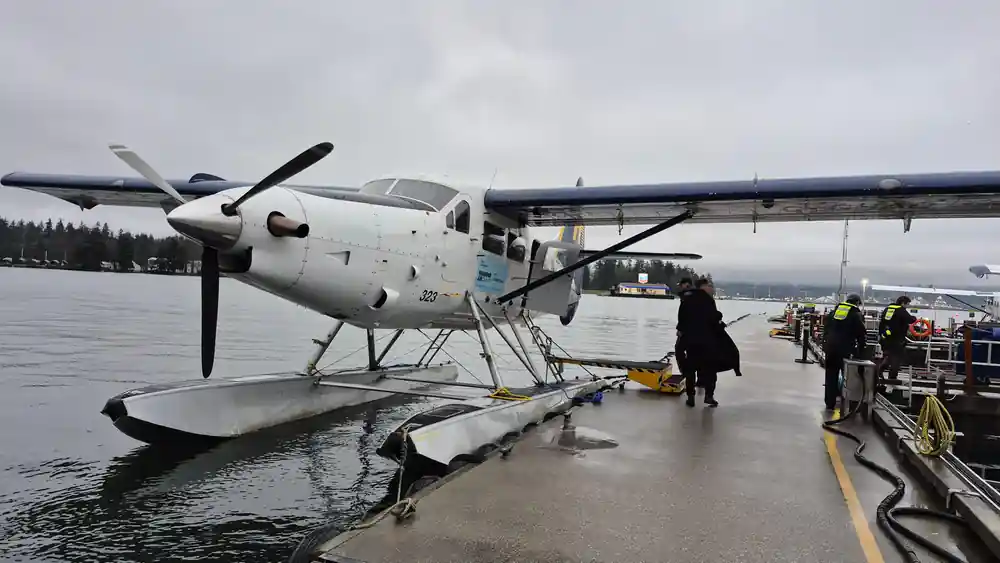
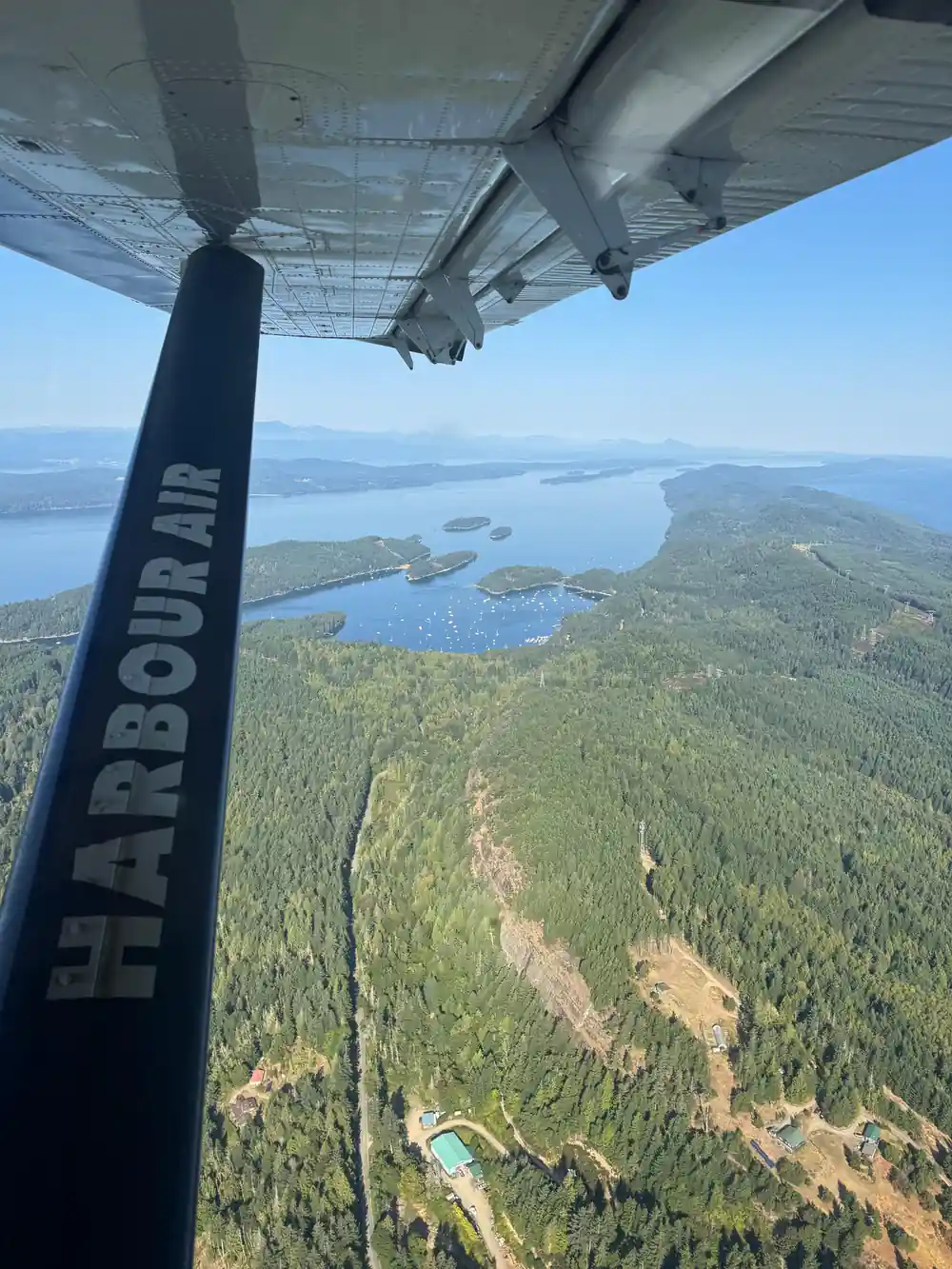
Take-off is from water, which is the part nobody is prepared for. The aircraft taxis out into the harbour like a boat, the engine opens up, spray comes past the windows, and then the hull unsticks and you are climbing over Burrard Inlet with the downtown towers alongside rather than below.
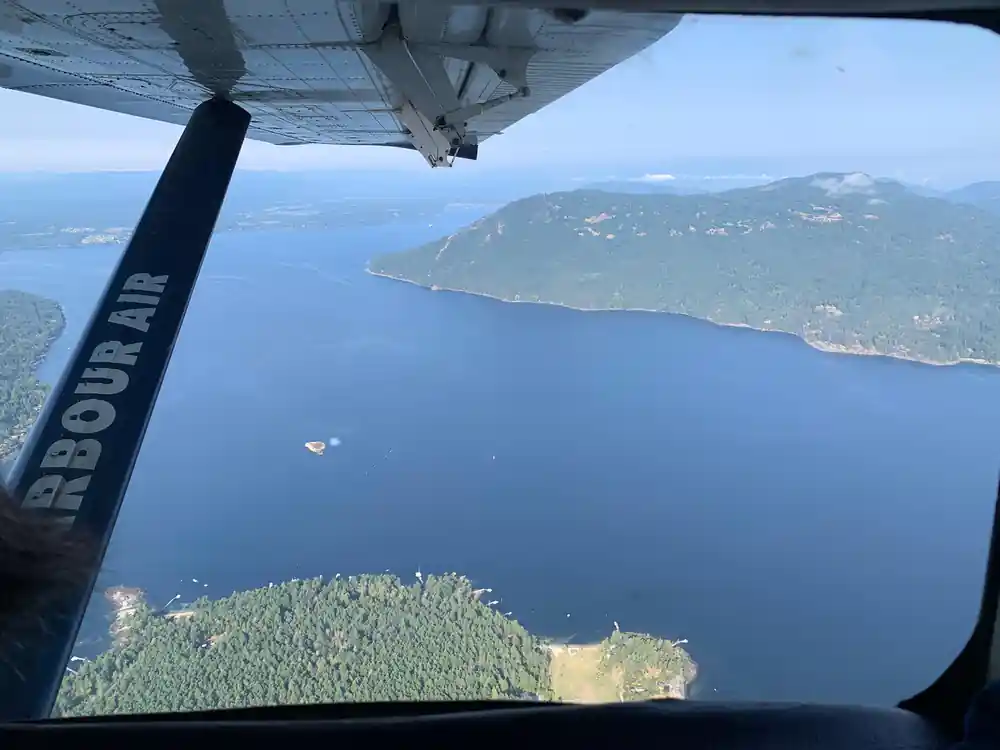
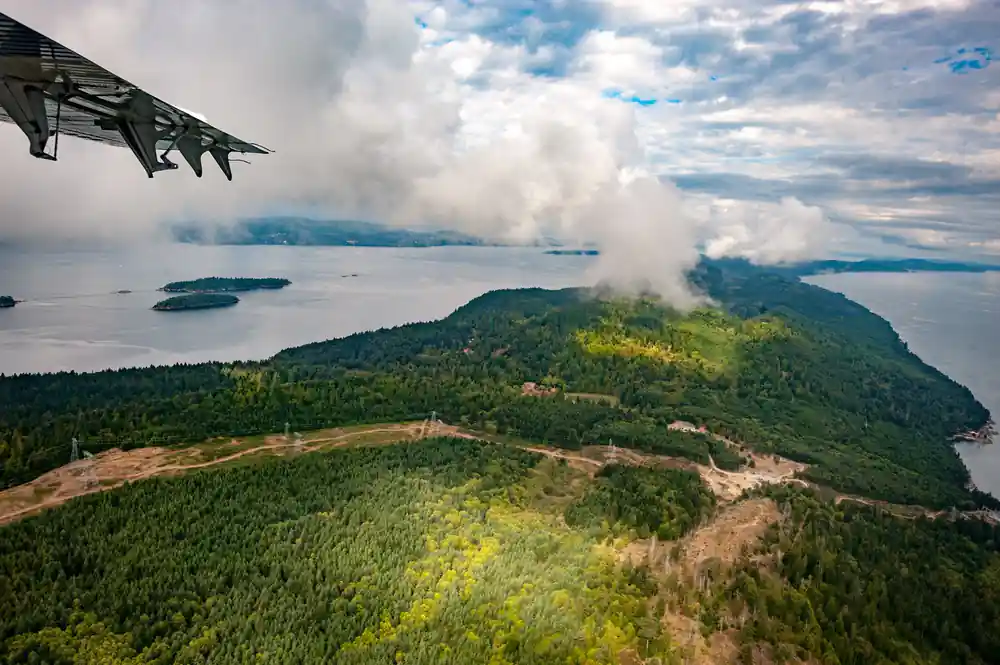
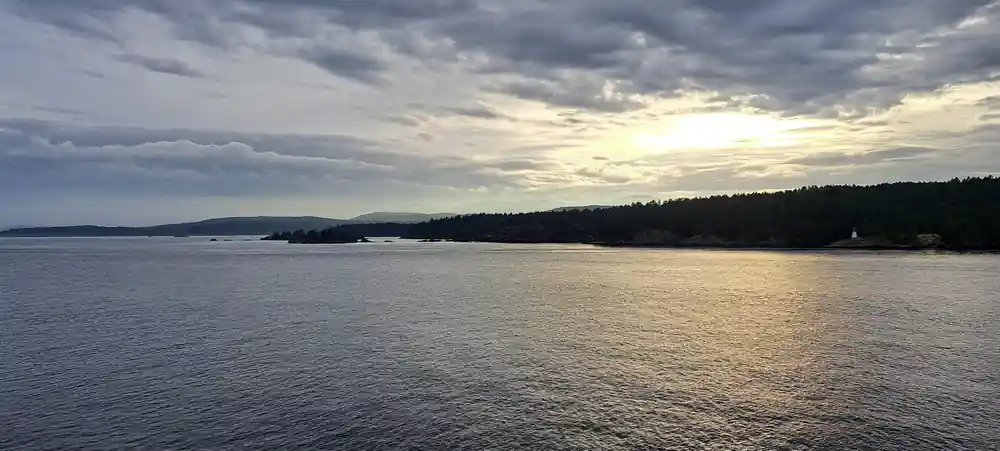
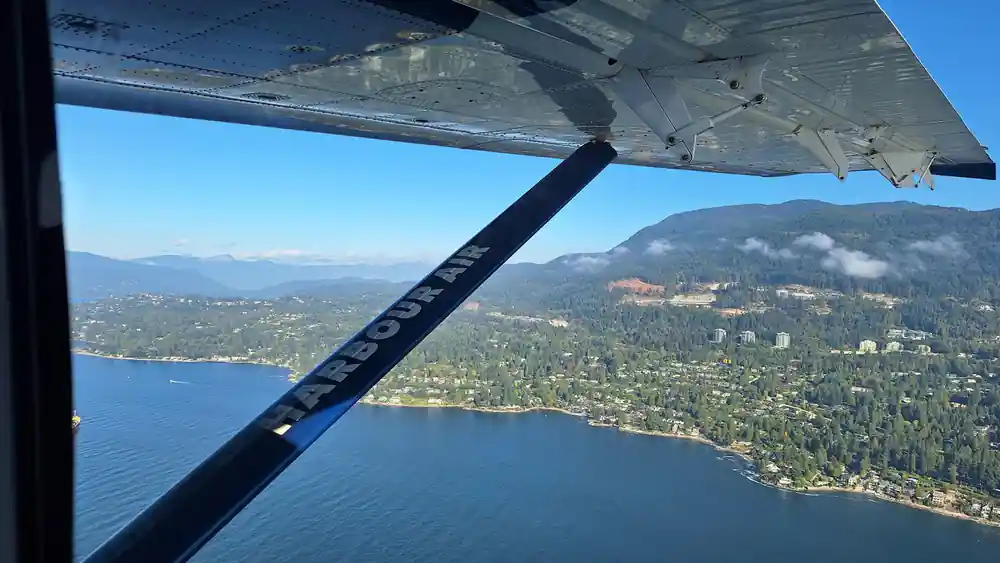
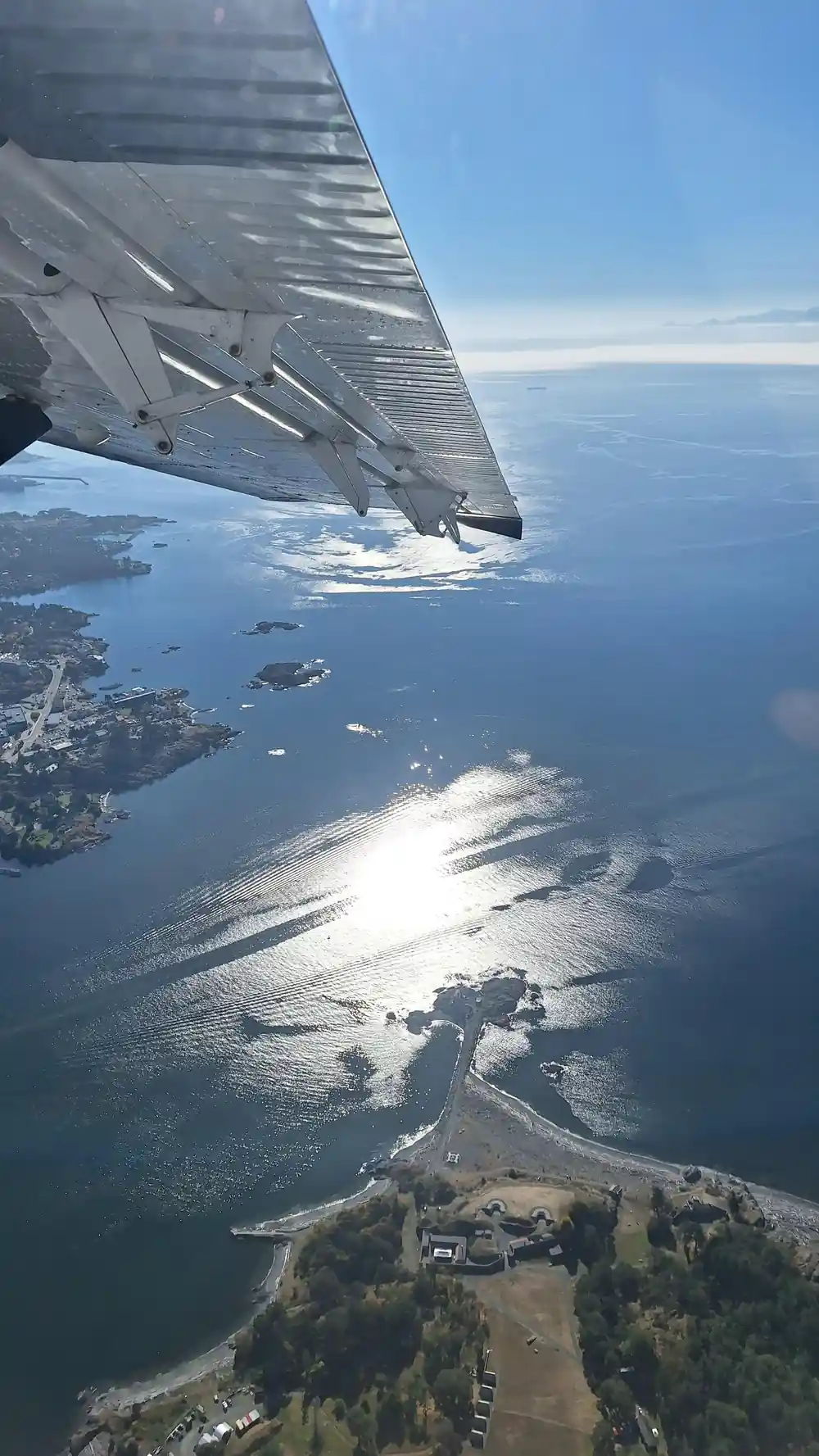
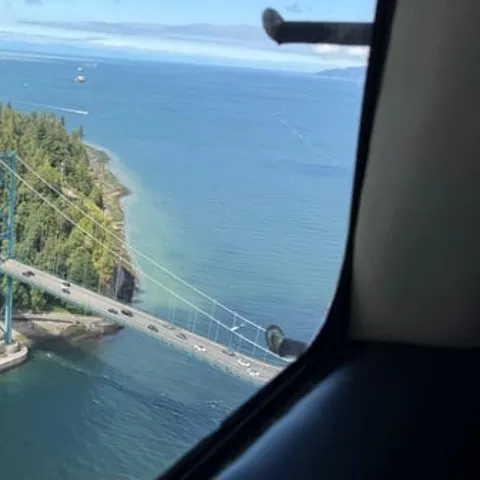
The crossing runs south-west over the Strait of Georgia and the Gulf Islands. These are low forested islands in green water, and at floatplane altitude you see them as a map rather than as a horizon: bays, ferry wakes, boats, the shape of every inlet.
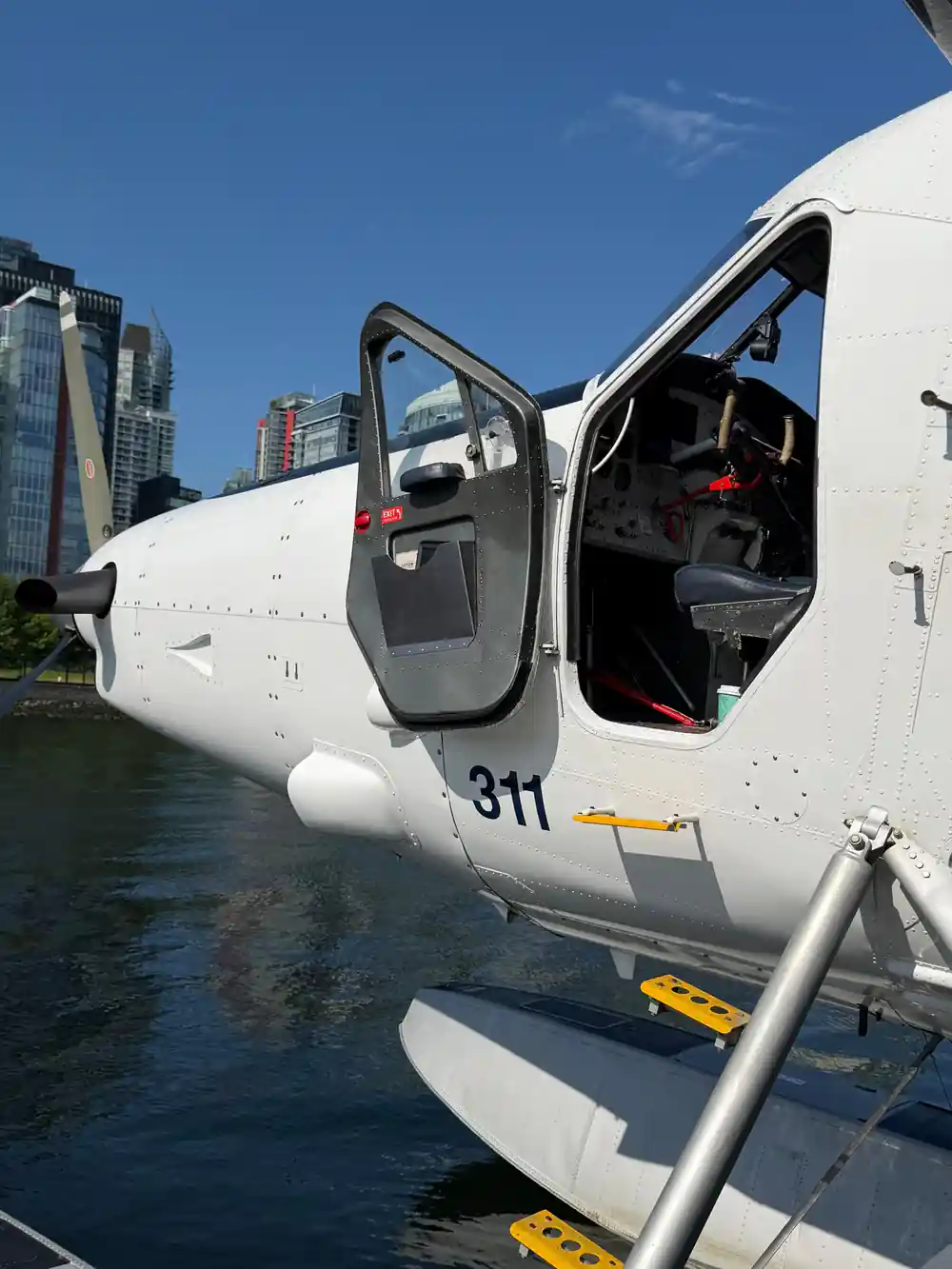
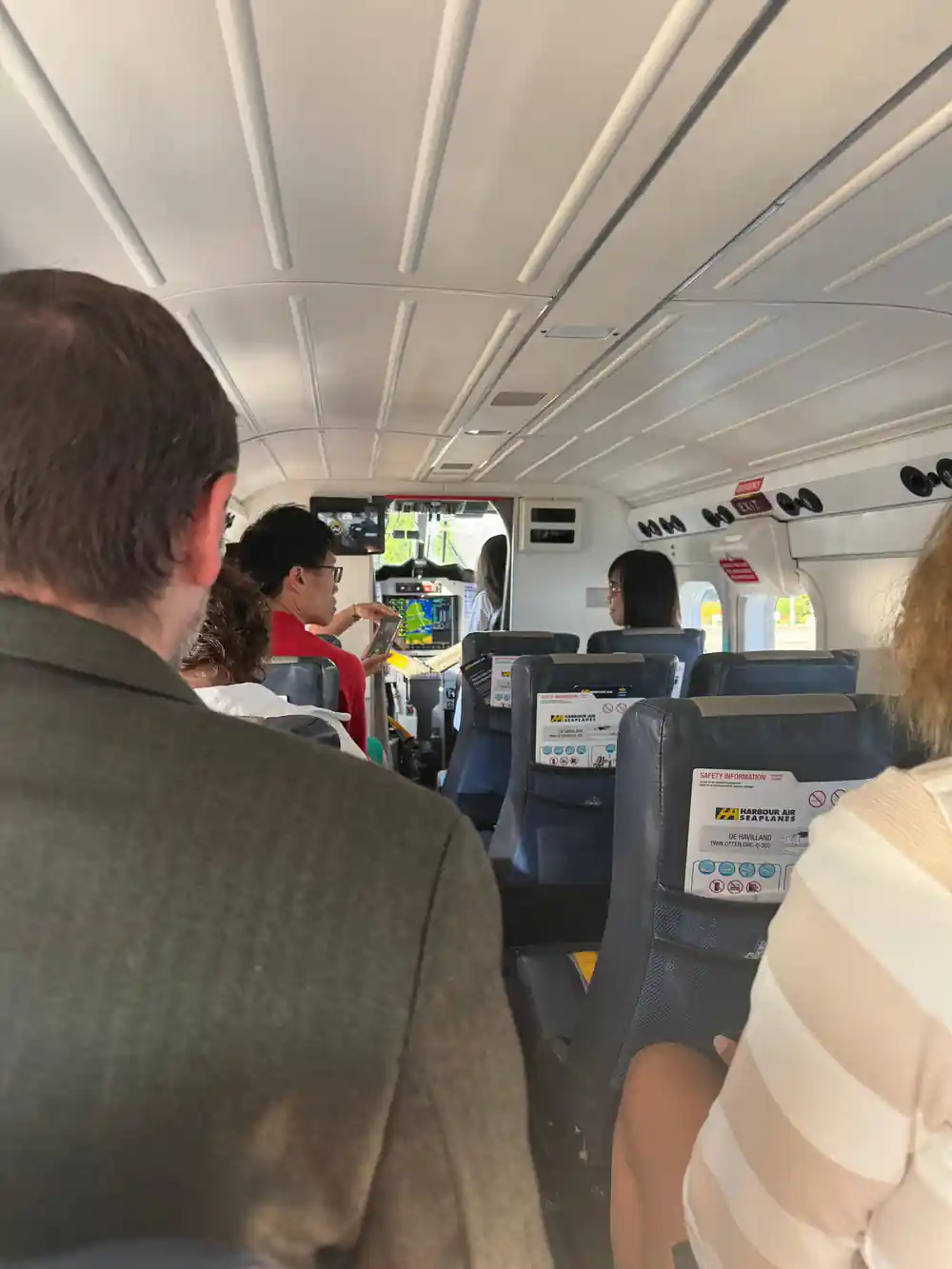
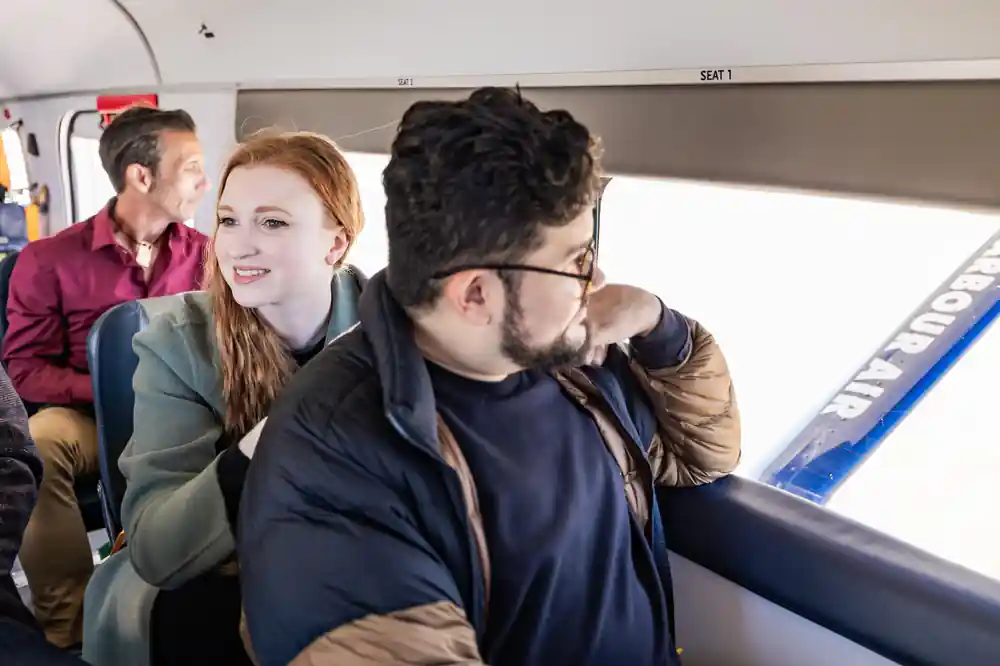
It is louder than a jet and lower, and the cabin is small enough that everybody has a window. Thirty-five minutes is short enough that nobody gets bored and long enough to take it in.
The hours in Victoria
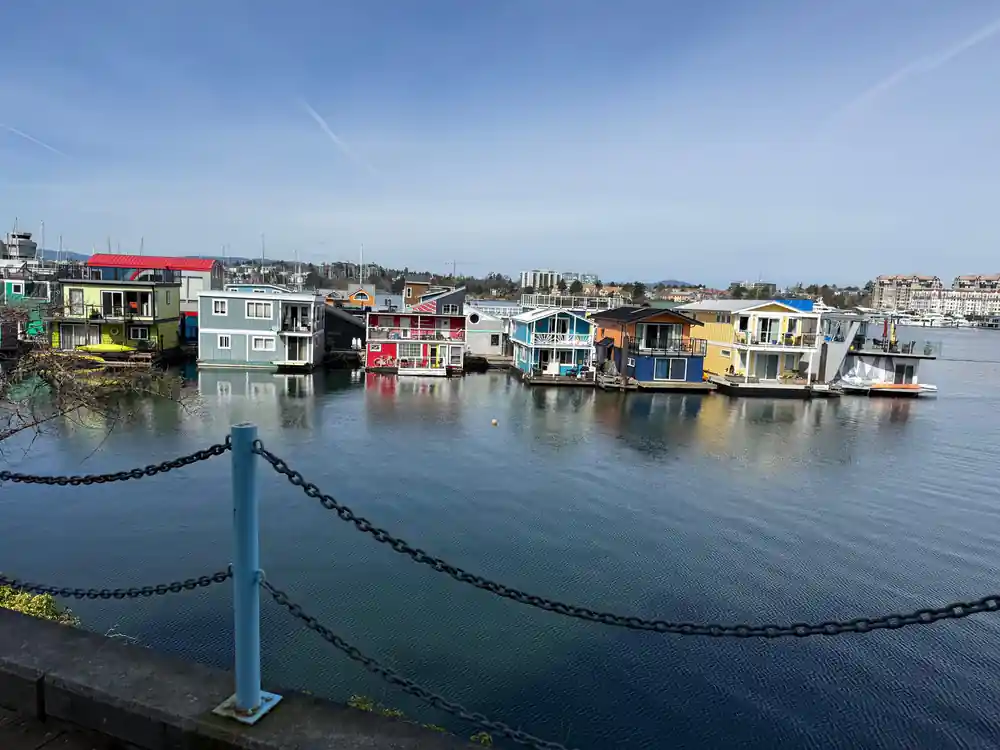
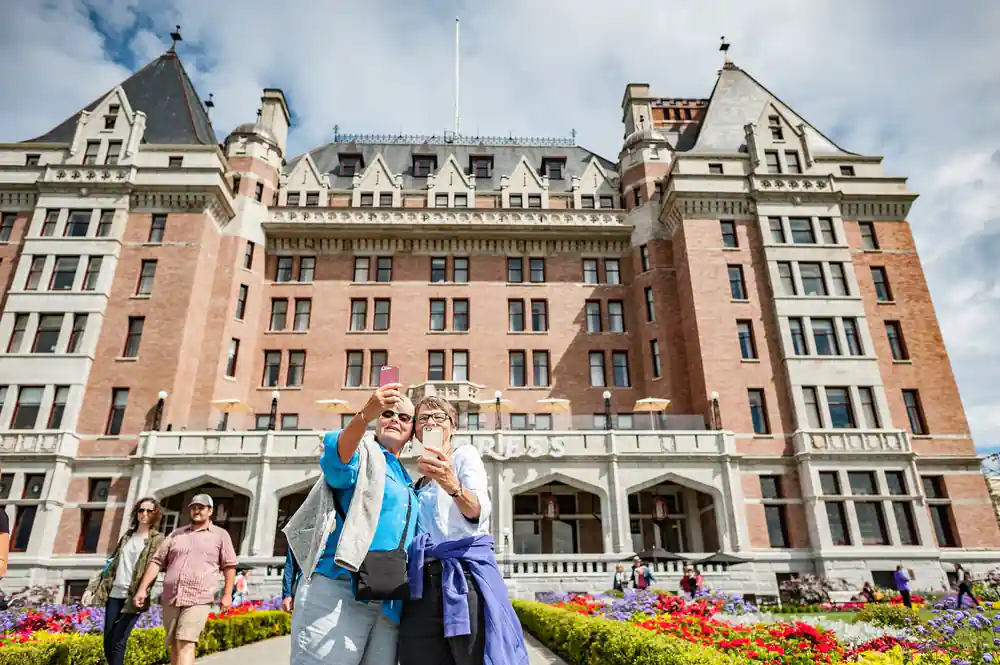
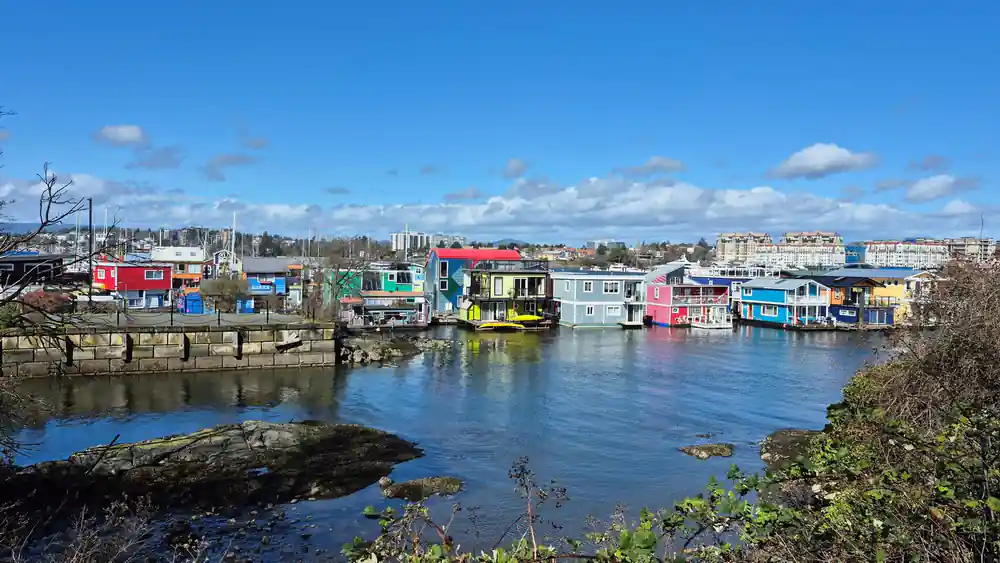
You arrive in the middle of the day in the middle of the city, with the afternoon free and no schedule until the coach. The Inner Harbour is a compact horseshoe with the Parliament Buildings on one side, the Empress hotel on another, and a causeway around it where buskers work in summer.
Everything a visitor is likely to want is within walking distance of where the plane put you down: the Royal BC Museum, the older streets behind the harbour, Chinatown, and a great many places to eat. Nothing about this day requires transport once you have landed.
The tour treats Victoria as self-guided, which is honest about what a few hours in a walkable city needs. No group, no guide, no meeting points until it is time to go home.
Coming back at sea level
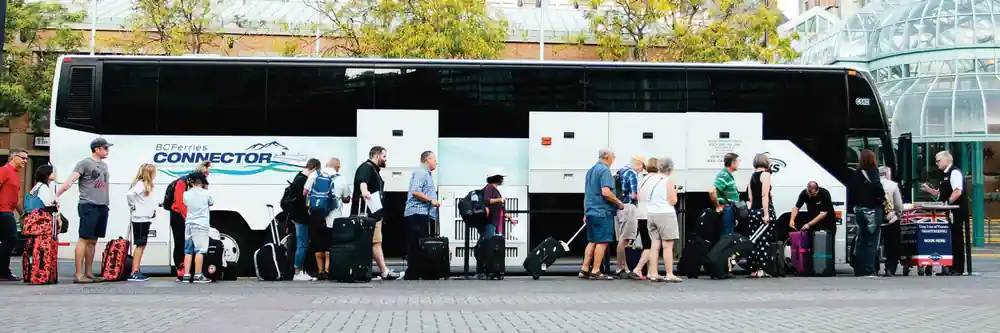
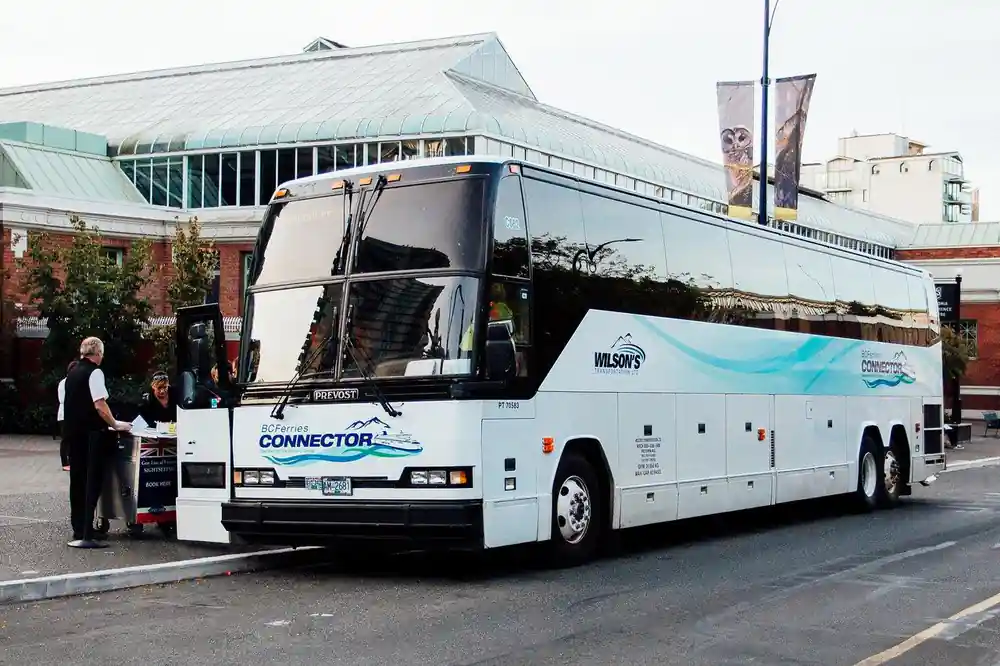
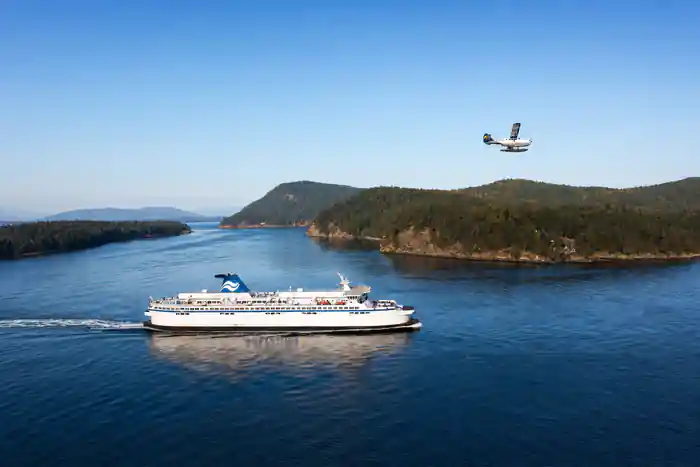
The return is the BC Ferries Connector: a coach from Victoria to the ferry terminal, the crossing itself, and a coach on the Vancouver side. Tickets for all of it are part of the booking, so there is nothing to arrange and nothing to queue for beyond boarding.
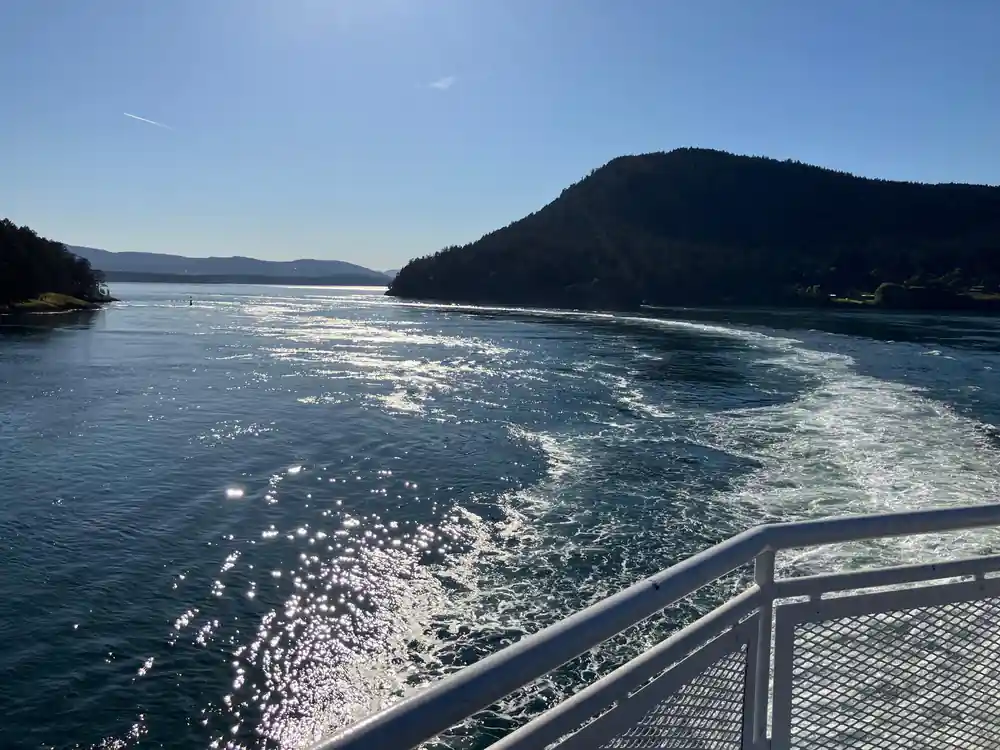
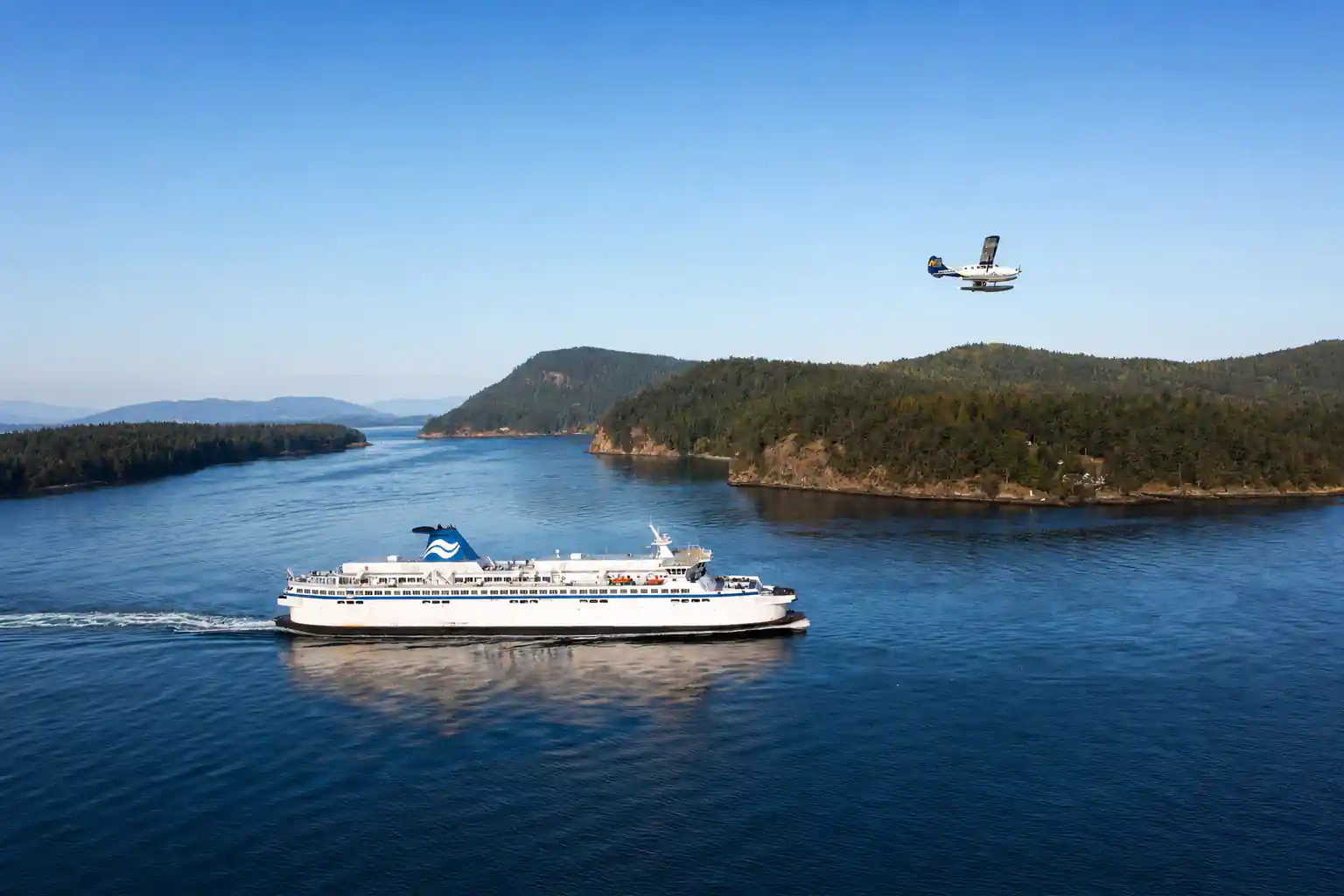
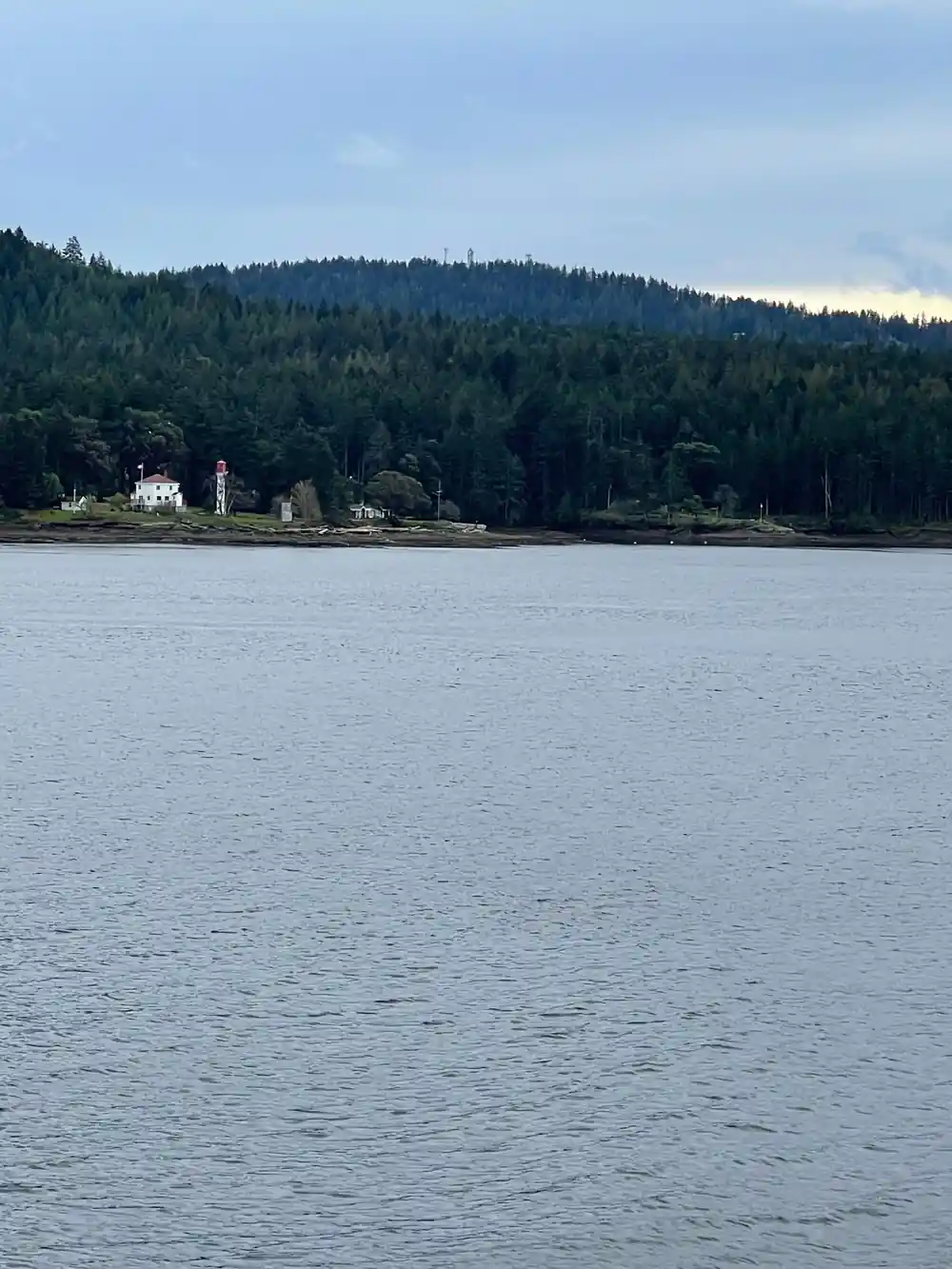
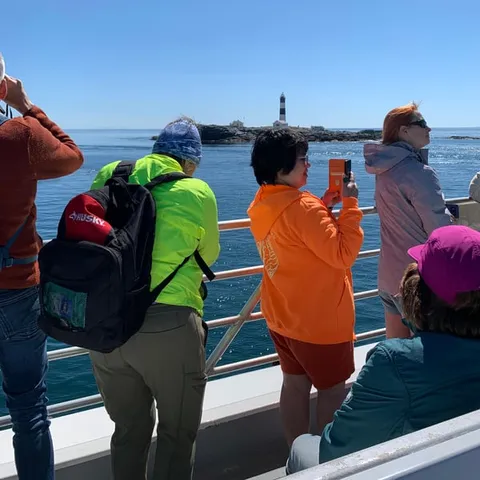
The crossing is the good part and it is the reason this asymmetry works. Ferries through the Gulf Islands thread between forested shores at close quarters, and it is one of the better scheduled boat journeys anywhere. Having flown over those islands in the morning, you then go through them.
It takes considerably longer than the flight, which is the trade. What you get is two completely different views of the same water on one day, rather than the same view twice.
The practical things that catch people out
Baggage first. The guaranteed allowance is eleven kilograms, or 25 lb, and it includes everything you carry, purses and handbags among them. Anything beyond that travels standby if there is room and attracts a charge. A floatplane has a hard weight limit for reasons of physics rather than policy.
Identification second. Adults are asked for a passport or an identity card, or a driver's licence. It feels like a boat trip and it is a flight, and the check happens at the counter.
Time third: check in at least forty minutes before departure. And the tour is listed as not suitable for people with mobility impairments, which the dock, the ramp and the small cabin between them make unavoidable.